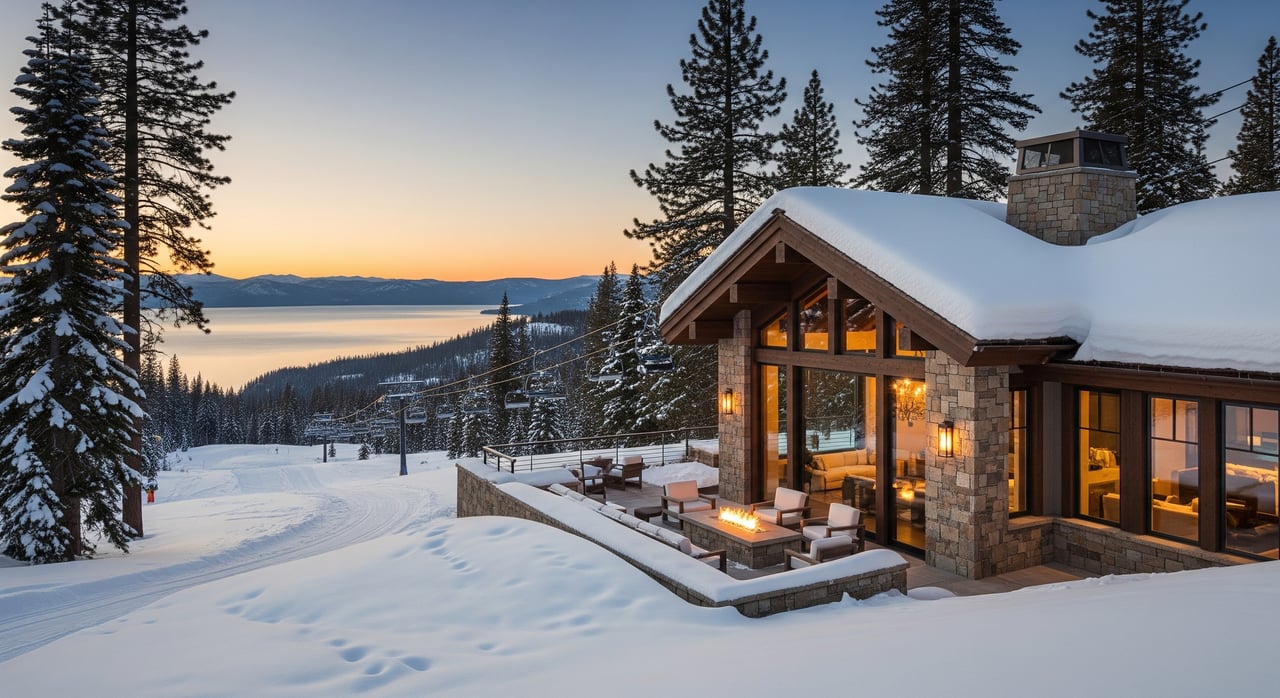
What It’s Like To Own A Home Near Heavenly Ski Lifts
February 12, 2026
February 12, 2026
Picture this: you wake up to fresh Sierra snow, sip coffee, lace your boots, and walk to the Heavenly gondola. Owning near the lifts in Heavenly Valley puts you close to the action, but it also comes with real-world rhythms you want to understand before you buy. In this guide, you’ll learn what daily life looks like through the seasons, how snow and parking impact routines, what to plan for with maintenance and insurance, and how rental rules shape investment decisions. Let’s dive in.
Winter weekends and holidays bring early buzz around the Heavenly Village. You’ll see lines for the gondola in the morning and an afternoon return wave as skiers head back. Expect daytime lift and gondola operations, public announcements for events, and evening activity that reflects proximity to the Stateline casino and entertainment corridor. Noise and crowds taper with distance and building orientation, so units facing away from village activity tend to be quieter.
U.S. Highway 50 is the main artery into South Lake Tahoe, with local access via Ski Run Boulevard and nearby roads. On peak storm days and holiday weekends, traffic can back up on U.S. 50 and Kingsbury Grade, and resort-managed or paid lots can fill early. Street parking in adjacent areas is limited or regulated, especially on peak days. During snow events, follow City of South Lake Tahoe rules to avoid tickets or towing.
After plows run, snow berms at street edges are common and can block driveways until cleared. Homeowners are responsible for private driveways and walkways, while municipal crews handle public streets on set schedules. Many owners arrange seasonal snow contracts for prompt clearing and emergency events. If you own in a condo community, HOA services often include common-area snow removal.
Spring brings a mix of lingering mountain snow and thawed valley roads. You’ll trade frequent plowing for drainage checks, clearing gutters, and managing melting ice. Visitor traffic eases overall yet may rise during spring break weeks and holidays. It is a good time to inspect roofs and sealants after heavy winter loads.
Summer is a second high season with hiking, mountain biking, and lake access. The gondola typically runs for sightseeing and trail access, so you’ll still see steady daytime visitors, though vehicle congestion is usually lower than winter peaks. Holiday weekends can push parking demand at popular lots and trailheads. Nightlife remains active but generally less intense than winter holiday surges tied to ski crowds.
Roof snow loads and ice dams are real considerations. Proper insulation, ventilation, and timely snow removal help protect your home. Budget for seasonal roof and driveway clearing, plus ice melt and equipment where needed. Complex roofs or shallow slopes may require more frequent professional attention.
Electricity, water, sewer, and broadband are generally available in Heavenly Valley and surrounding South Lake Tahoe neighborhoods. Winter heating increases energy usage, so expect higher utility bills in colder months. Confirm whether a home is on municipal sewer or a private septic system and understand winter management if septic is involved.
The Tahoe basin carries elevated wildfire risk, and defensible space and ember-resistant construction are important. Review local guidance on fire safety and ensure your coverage reflects regional realities. Standard homeowner policies often exclude flood, so check flood maps and consider appropriate coverage. Snow load endorsements may also be worth exploring based on the property.
Homes close to the lifts see strong short-term rental demand during winter and steady interest in summer. Occupancy and rates depend on unit type, proximity to the village, and amenities. Studios and one-bedrooms may book differently than larger homes, so plan your projections around size, location, and seasonal patterns.
South Lake Tahoe and El Dorado County have specific registration, occupancy, safety, and tax requirements for short-term rentals. Some areas use permits, caps, or zones and enforce neighborhood standards. Rules can change, so confirm current requirements with official city and county sources. Many buyers also consult a local attorney or property manager to ensure compliance.
Many lift-adjacent options are condominiums or resort developments with HOAs that handle exterior maintenance, snow clearing, and shared parking rules. These communities may have rental program rules, owner-use policies, and guest registration requirements. Review HOA budgets and reserve funding for winter-related capital repairs such as roofs, gutters, and exterior snow damage.
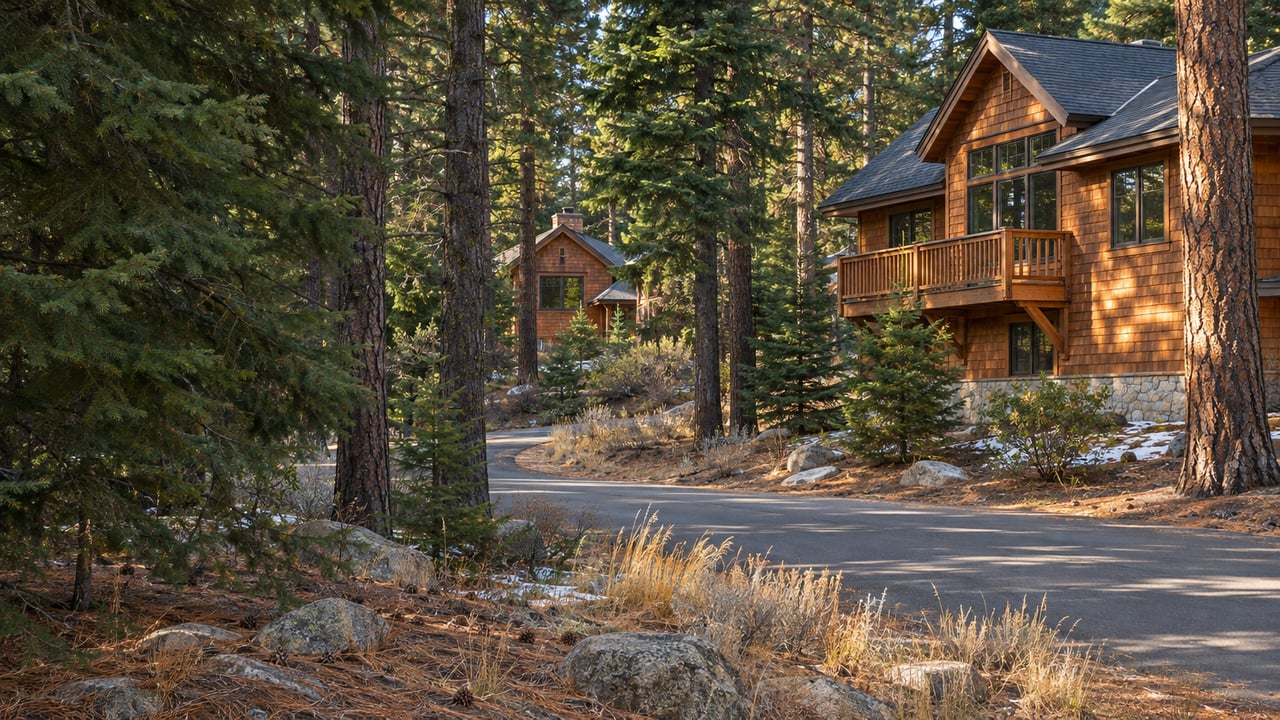
If you prefer a quieter setting, areas a short drive from the Heavenly Village can offer a more residential feel while keeping you close to skiing. This tradeoff means relying on a car or shuttle to reach the lifts and factoring in parking or transit on busy days. Consider home orientation to minimize village noise and improve privacy. Visit candidates at different times to understand peak and off-peak conditions.
Proximity to the lifts often carries a price premium and attracts steady buyer interest, especially from repeat vacationers and investors. Long-term resilience depends on your property type, HOA strength, and how local rental rules evolve. Well-maintained homes with thoughtful snow management and sound orientation tend to show better owner satisfaction and market appeal. Balance convenience with day-to-day realities to choose a home that fits your lifestyle.
If you want lift access without guesswork, partner with a local expert who lives these rhythms year-round. With dual California and Nevada licensure, regional fluency, and a hands-on approach to inspections and contractor coordination, you get practical guidance tailored to your goals. When you are ready, schedule a free Tahoe market consult with Mackenzie Martin to map your options near the Heavenly lifts.
Stay up to date on the latest real estate trends.

Mackenzie Martin is dedicated to helping you find your dream home and assisting with any selling needs you may have. Contact her today for a free consultation for buying, selling, renting, or investing in California and Nevada.

MACKENZIE MARTIN | CA DRE# 01406664
ADDRESS 2845 LAKE TAHOE BLVD SOUTH LAKE TAHOE CA 96150