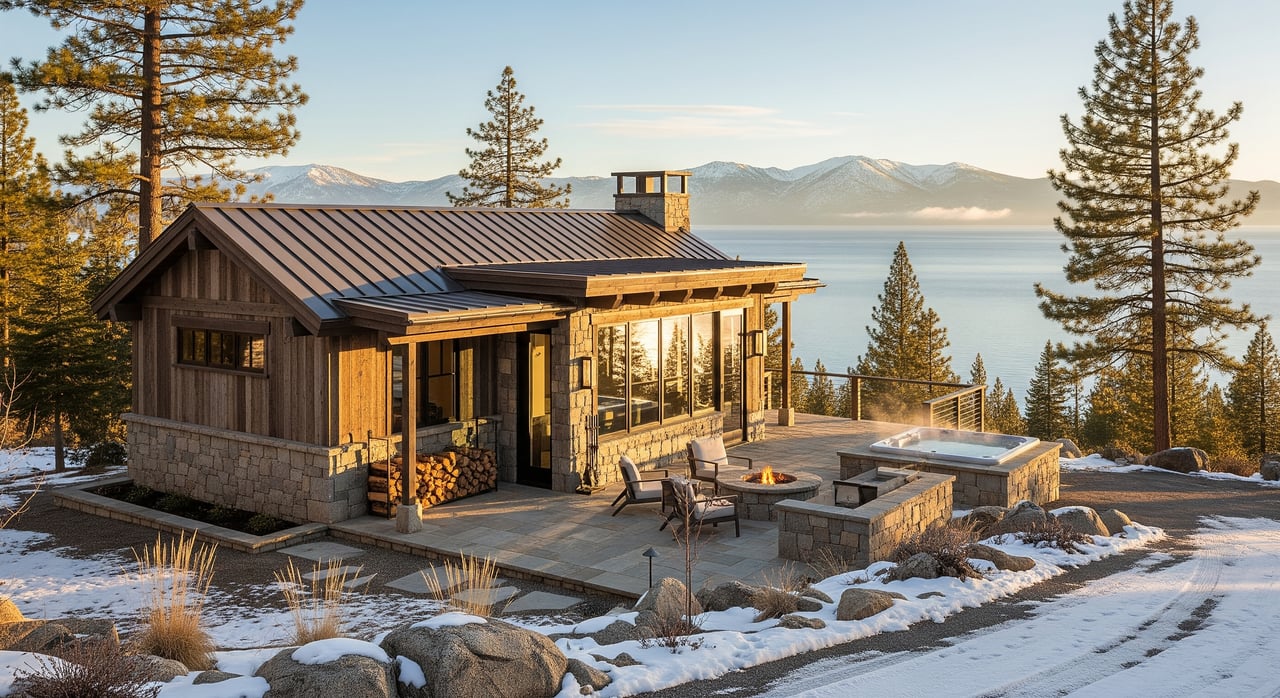
The True Cost Of Owning A Tahoe Cabin
January 8, 2026
January 8, 2026
Thinking about a cozy Tahoe cabin in 96150, but worried about surprise costs? You are smart to ask. Mountain homes in Meyers and South Lake Tahoe come with unique expenses that are easy to overlook, especially if you plan to use the cabin as a second home or a short-term rental. In this guide, you will learn what to budget for upfront, what to expect each year, and how local rules and the environment affect your bottom line. Let’s dive in.
Buying in the Tahoe Basin means more than a down payment and standard closing fees. Plan ahead for inspections and possible permits that matter in the mountains.
You will typically pay lender fees, escrow or settlement charges, title insurance, and recording fees. Buyers commonly budget about 2 to 5 percent of the purchase price for closing costs, depending on loan type and negotiations.
Schedule inspections that address snow, fire, and rural systems. These often include:
The Tahoe Regional Planning Agency regulates land use in the Basin, and El Dorado County handles building permits in unincorporated areas like Meyers. Many projects, such as additions, roof replacements, and driveway work, may need permits and sometimes mitigation. Factor in possible permit fees, engineering, or surveys if you plan to improve the property or address prior unpermitted work.
Insurers may require wildfire mitigation to bind coverage. Creating defensible space and clearing vegetation can cost several hundred to several thousand dollars. If wildfire-resistant features are lacking, expect higher premiums or wildfire deductibles that use a percentage of coverage.
Once you own the cabin, your yearly budget will include fixed bills and seasonal swings. Plan conservatively and build a cushion for heavy-snow winters.
If you finance, principal and interest will likely be your largest expense. Use a mortgage calculator for your exact rate and loan balance, and compare scenarios before you buy.
California’s Proposition 13 sets the assessed value at purchase, with increases generally capped near 2 percent per year until reassessment. The base rate is about 1 percent of assessed value, plus local voter-approved assessments. Actual rates vary by parcel in El Dorado County, so verify for the specific property.
Premiums can be higher in wildfire areas. Some policies include large wildfire deductibles or exclusions. You may consider separate wildfire endorsements or last-resort options, and you can evaluate earthquake insurance as an added policy. Shop multiple carriers and ask about mitigation credits.
Expect electric, propane or natural gas where available, water, sewer or septic service, garbage, and internet. Many mountain cabins heat and cook with propane, so delivery schedules and seasonal price swings can raise costs in winter.
Public sewer means service fees, while septic systems need regular pumping and occasional repairs. The timeline depends on the age and condition of the system, so have it evaluated during inspections.
Budget for driveway clearing, entryways, and occasional roof snow removal to prevent ice dams or excess load. If your road is private, you may share plowing costs or pay for a seasonal contract.
Harsh winters and high altitude accelerate wear. As a rule of thumb for mountain cabins and second homes, plan 2 to 5 percent of property value per year for maintenance and future replacements. This can include roof work, chimney service, deck and siding repairs, and heating system tune-ups or replacements.
Some neighborhoods or condo communities have monthly or annual dues. Review reserve studies and ask about any planned special assessments.
Set aside savings for unplanned repairs, such as a failed water heater, a roof leak after a big storm, or septic issues. A dedicated reserve reduces stress and avoids rushed decisions.
Owning in 96150 brings environmental and access considerations that influence both what you can do and what you will spend.
The Tahoe Basin faces significant wildfire risk. Plan for defensible space work, ladder fuel removal, and home-hardening improvements like ember-resistant vents, noncombustible materials, and multi-pane windows. Some insurers require proof of mitigation to renew policies.
Heavy winters increase heating costs and can strain roofs and decks. Ice dams and snow load call for roof inspections, insulation and ventilation improvements, and professional snow removal in peak storms.
Not all roads are county maintained. Private roads and long driveways often require shared plowing or private contracts. This affects both cost and winter access.
Some properties rely on private wells and septic systems, and internet or cell service can be limited. Solutions like water treatment or satellite or fixed wireless internet can add cost.
TRPA rules affect land coverage, impervious surfaces, and slope or shoreline work. Project timelines and costs can change based on required mitigation, so confirm before you plan expansions or hardscape.
Short-term rentals can offset some costs, but they bring their own rules and expenses in unincorporated El Dorado County.
Here is an illustrative example to show common line items and ranges. It assumes an $800,000 purchase price with 20 percent down for a second home. Your actual numbers will vary by property, insurer, and use.
Total illustrative annual operating cost: $23,000 to $66,000+, not including your loan payment. The most important variables are insurance availability, parcel-specific wildfire risk, how much you rent the property, and your maintenance approach.
Copy this into your notes and fill it in with quotes and bills for a specific property.
If you are weighing two similar cabins, the right questions about septic age, roof condition, snow load, and TRPA history can change your budget by thousands. A local, hands-on advisor can coordinate inspections, pull permit history, and connect you with trusted contractors so you can make clear, confident decisions. When you are ready to compare properties or refine your budget, reach out to Mackenzie Martin for local guidance tailored to 96150.
Stay up to date on the latest real estate trends.

Mackenzie Martin is dedicated to helping you find your dream home and assisting with any selling needs you may have. Contact her today for a free consultation for buying, selling, renting, or investing in California and Nevada.

MACKENZIE MARTIN | CA DRE# 01406664
ADDRESS 2845 LAKE TAHOE BLVD SOUTH LAKE TAHOE CA 96150