Remote Owner’s Maintenance Checklist For A Heavenly Valley Home
April 23, 2026
April 23, 2026
Owning a home in Heavenly Valley from a distance can feel simple until the first big storm, frozen pipe, or fire-season deadline shows up. If you use your Tahoe property part time, you are not just maintaining a second home. You are protecting a mountain property shaped by snow load, freezing temperatures, access issues, and wildfire risk. This checklist will help you stay ahead of the most important tasks so your home stays safer, more functional, and easier to manage all year. Let’s dive in.
A Heavenly Valley home needs a different plan than a typical absentee property. Heavenly’s mountain terrain, winter weather, and fire exposure create a maintenance rhythm that is more hands-on and more seasonal than many owners expect.
Locally, that matters for two big reasons. The City of South Lake Tahoe building information lists a 150 PSF ground snow load, and the area is identified as a very high fire hazard severity zone. The city’s Local Hazard Mitigation Plan also notes a history of severe winter storms and wildfires, while showing that mitigation is cost-effective over time.
For you as a remote owner, the takeaway is simple. Routine upkeep is not just about appearances. It is part of protecting access, reducing repair surprises, and preserving long-term value.
Before you think about seasonal chores, set up a local support system. If you live out of town, you need someone who can enter the home, verify heat and water, inspect after storms, and help coordinate vendors when timing matters.
The most practical setup includes a trusted local keyholder or property contact, current utility and emergency information, and a clear list of service providers. The city’s winter guidance emphasizes knowing your home’s shutoff valve and keeping contact information current so emergency communication is possible through local systems and utilities.
Your core remote-owner file should include:
This simple prep can save you time when a storm hits or a contractor needs quick approval.
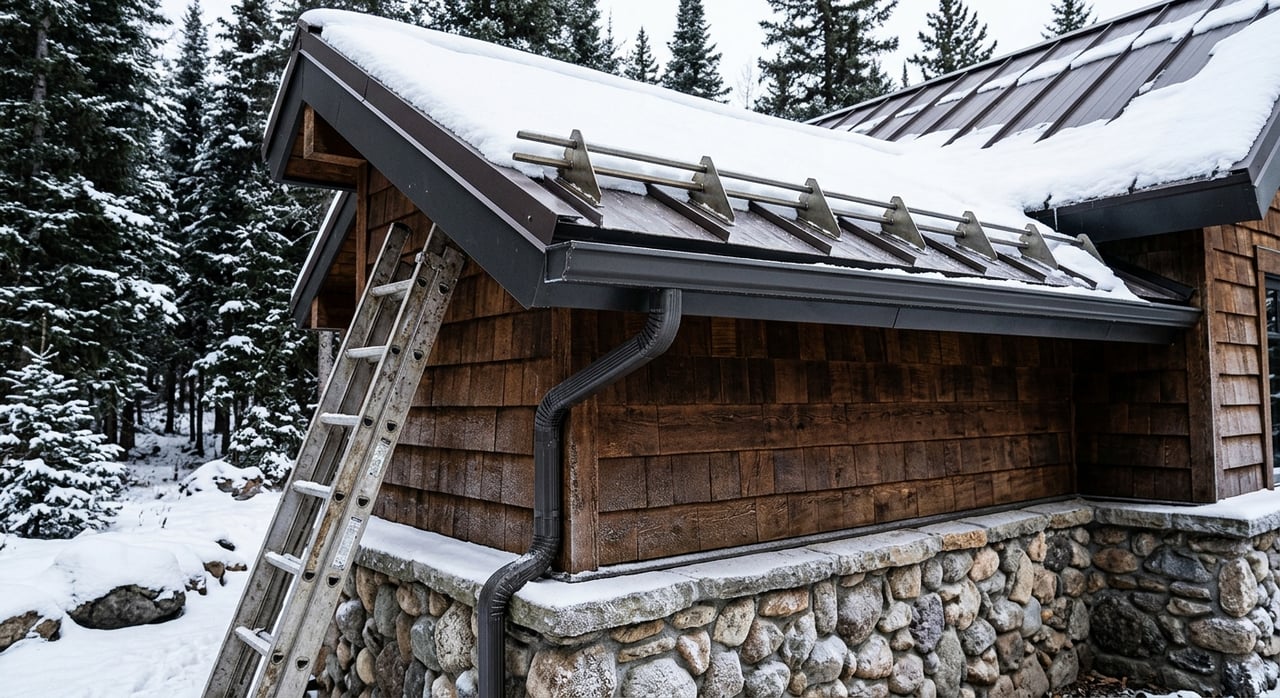
Snow-country maintenance starts at the top of the house. CAL FIRE recommends keeping your roof clear of debris and vegetation, maintaining gutters, using noncombustible gutter covers, and protecting openings where embers could enter.
In Heavenly Valley, this work also supports winter performance. With the city’s 150 PSF ground snow load guidance, roof and entry checks after major storms are a basic part of ownership, not an optional task.
Your winter roof checklist should include:
Frozen plumbing is one of the most common and expensive remote-owner problems in mountain homes. The City of South Lake Tahoe’s winter preparedness guidance recommends disconnecting and draining outdoor hoses, insulating exposed pipes or faucets, sealing holes around pipes, and shutting off and draining irrigation systems before winter.
If you will be away for longer stretches, do not let the house get too cold. The city advises keeping heat on, and if indoor temperatures fall to 55°F or below, slightly dripping faucets can help reduce the risk of frozen pipes.
A good freeze-prevention routine includes:
Access can become a problem quickly after a major storm. The city offers a snowplow tracking system that uses GPS, with updates generally posted within about 15 minutes, so you can check whether your street has been plowed before sending vendors, guests, or family members to the house.
You also need to pay attention to walkways. If your property has a sidewalk or walkway next to city right-of-way, owners and tenants must keep it substantially clear of snow and ice within 12 hours after a snow event, and then every 24 hours if the storm continues longer than a day.
That makes a snow-removal plan essential for remote owners. Ideally, your service should cover driveways, entry stairs, walkways, and periodic storm follow-up.
This is a small task that can prevent expensive damage. The city advises owners to mark mailboxes, fences, retaining walls, boxes, and similar features before winter because it is not liable for snow-removal damage near the right-of-way when items are not properly marked with stakes.
If your home has landscaping edges, low walls, or tight mountain access, this step matters even more. A quick fall visit or vendor appointment to place stakes can save you a repair later.
Heavenly Valley has seasonal parking rules that can catch remote owners off guard. The city’s Heavenly residential parking permit program applies from November 1 to May 1, and on-street parking is prohibited during snow-removal conditions whether or not a permit has been issued.
The city also states that residential permits are issued in person by the property owner, with a maximum of five permits per property. If you host guests or schedule winter vendors, it helps to sort this out early so nobody arrives without a legal parking plan.
Once the snow melts, the focus shifts fast. CAL FIRE states that 100 feet of defensible space is required by law, and its guidance includes keeping grass under four inches, removing leaves and debris, spacing shrubs and trees appropriately, and maintaining at least 10 feet of clearance around exposed wood piles.
For Tahoe owners, this is not a one-time cleanup. It is an ongoing seasonal task that supports fire safety and makes the property easier to insure and maintain.
Your defensible-space checklist should include:
In the Tahoe Basin, defensible-space work can overlap with permit requirements. According to TRPA tree and defensible space guidance, creating and maintaining defensible space is critical, and in the City of South Lake Tahoe, TRPA handles tree-removal inspections and permits.
For most homeowners, the practical move is straightforward. If your project involves tree removal, large limbs, or work tied to fire safety, ask a qualified local professional whether TRPA or the fire agency needs to review the job before work begins.
CAL FIRE’s home hardening guidance points to the same vulnerable areas again and again: roofs, gutters, vents, eaves, siding, and windows. Keeping debris off the roof and gutters, using noncombustible gutter covers, and improving vent protection can reduce ember exposure.
That is especially relevant here because South Lake Tahoe’s building information identifies the area as a very high fire hazard severity zone. For remote owners, spring and early summer are the best times to inspect these items before fire season intensifies.
In Tahoe, the work season is shorter than many owners expect. According to TRPA inspection guidance, pre-grade inspections are usually scheduled within 3 business days of request, final inspections within 10 business days, and final inspections cannot be completed when the ground is covered in snow.
TRPA also states that the Lake Tahoe Basin grading season runs from May 1 through October 15, and sites must be winterized by October 15. If you are planning landscaping, drainage work, exterior repairs, or tree work, early scheduling matters.
Mountain maintenance also comes with environmental rules. The city’s stormwater program states that only rainwater or snowmelt may enter a storm drain.
That means pressure washing, exterior cleaning, and construction-related work should be handled by contractors who understand local stormwater practices. If you are remote, it helps to confirm this before the job starts instead of trying to fix a problem later.
A remote home is easier to manage when tasks repeat on a schedule. Instead of reacting to issues, build a seasonal calendar and assign vendors before peak demand starts.
Here is a simple framework you can use:
| Season | Priority tasks |
|---|---|
| Fall | Clean roof and gutters, drain hoses, winterize irrigation, mark property edges, confirm snow vendor |
| Winter | Monitor plowing, check heat, inspect roof and access after storms, manage parking logistics |
| Spring | Inspect snow damage, clear debris, start defensible space work, review vents and exterior openings |
| Summer | Maintain defensible space, complete exterior repairs, schedule tree work, book fall and winter services |
This kind of rhythm works well for second-home owners because it reduces last-minute scrambling. It also helps you budget for maintenance in a more predictable way.
When you own in Heavenly Valley, maintenance is part of ownership strategy. Snow load, freeze protection, access, and fire mitigation all affect how usable your home is and how well it holds up over time.
That is one reason the city’s hazard planning emphasizes mitigation as a smart investment. Everyday actions like clearing gutters, maintaining defensible space, and staying ahead of seasonal work can reduce preventable damage and protect your property over the long run.
If you own a second home in Heavenly Valley and want a practical local resource for property decisions, contractor coordination, or planning your next move, Mackenzie Martin brings the kind of hands-on Tahoe knowledge that helps remote owners stay ahead of the details.
Stay up to date on the latest real estate trends.

Mackenzie Martin is dedicated to helping you find your dream home and assisting with any selling needs you may have. Contact her today for a free consultation for buying, selling, renting, or investing in California and Nevada.

MACKENZIE MARTIN | CA DRE# 01406664
ADDRESS 2845 LAKE TAHOE BLVD SOUTH LAKE TAHOE CA 96150