Preparing Your Stateline NV Condo For Today’s Market
July 2, 2026
July 2, 2026
If you are getting ready to sell a condo in Stateline, you are likely asking the right question: what actually matters before you list? In a small, high-value market, buyers can compare a short list of expensive options quickly, and small details can shape how your home stands out. The good news is that you usually do not need a major remodel to make a strong impression. With the right prep, paperwork, and presentation, you can bring your condo to market with more confidence. Let’s dive in.
Stateline is a limited-inventory condo market, which makes each listing feel more visible. Zillow showed 65 total for-sale listings citywide on May 31, 2026, while Redfin showed just 6 condos for sale in Stateline at a median listing price of $3.25 million. Realtor.com described Stateline as a buyer’s market in May 2026.
That mix matters if you are selling. Buyers may not have many condo choices, but the options they do see are often high-priced and easy to compare side by side. That means your condo needs to look clean, current, and well-prepared from the first photo onward.
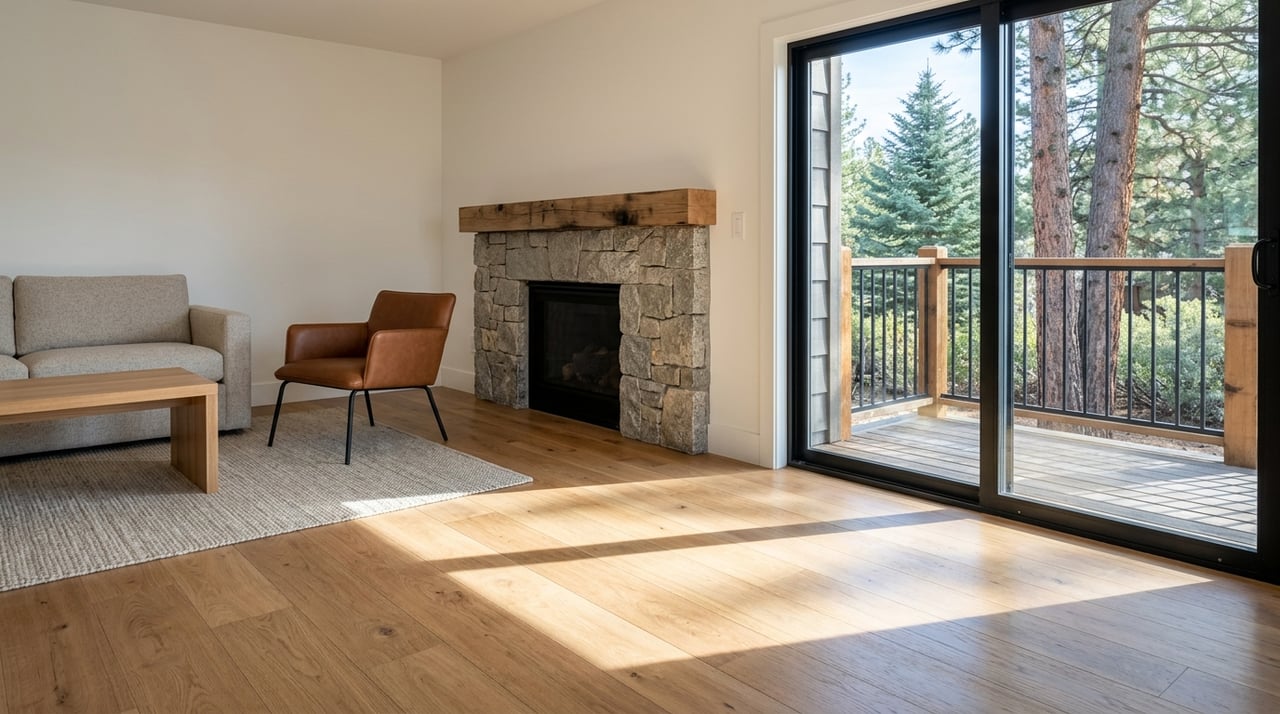
For most Stateline condo sellers, the best return comes from simple visual improvements. According to the 2025 Profile of Home Staging from NAR, the most common recommendations from seller’s agents were decluttering, cleaning the entire home, and improving curb appeal. In a condo, that usually translates into making the space feel open, bright, and easy to picture living in.
You do not need to chase perfection. You do need to remove distractions that compete with the condo’s strongest features, especially natural light, views, layout, and usable outdoor space.
Decluttering is one of the most effective first steps because it helps rooms feel larger and more functional. If you have oversized furniture, extra decor, or crowded surfaces, scaling back can improve both in-person showings and listing photos. Buyers often decide how a home feels within seconds.
A deep clean also carries more weight than many sellers expect. Clean glass, mirrors, floors, counters, and bathrooms help a condo feel cared for, while odors or visible grime can raise concerns about maintenance. In a premium market, buyers notice those details.
Small repairs can have an outsized effect. Touch up paint and trim, replace anything visibly worn, and make sure doors, drawers, lights, and fixtures work as expected. These updates are usually more practical than taking on a full renovation right before listing.
More than half of sellers’ agents in the NAR staging profile said they recommended simple corrections instead of full staging. That supports a lean prep plan for sellers who want strong results without over-improving the property.
NAR reported that the living room, primary bedroom, dining room, and kitchen were the rooms most often staged. For a Stateline condo, those spaces should get the most attention first. If your time or budget is limited, start there.
In this market, it also makes sense to pay special attention to the entry, balcony, and view corridors. If a room frames mountain, forest, or lake-facing scenery, that line of sight should feel open and intentional. Even a small shift in furniture placement can help a key feature read better online.
A condo listing often does most of its work online before a buyer ever schedules a showing. NAR found that 73% of buyers’ agents said photos were important, 48% said videos were important, and 43% said virtual tours were important. In the same report, 83% said staging made it easier for buyers to visualize the property as their future home.
That matters in Stateline, where many buyers may be comparing properties remotely. If your condo is well-prepared and photographed accurately, you make it easier for buyers to take the next step.
Your listing photos should be taken in daylight and show the unit clearly and honestly. Room scale matters. Buyers want images that help them understand how the condo lives, not just dramatic angles that create confusion once they arrive.
It also helps to show the spaces that affect daily use. That can include the balcony, storage areas, parking setup, entry experience, and any shared amenity spaces that are relevant to the property. The goal is to answer practical questions before a buyer has to ask them.
Remote and second-home buyers are common in the Tahoe area, so your listing package should be easy to understand from a distance. Clean photos, video, and virtual tour media can reduce uncertainty and help attract better-informed showings. Flexible showing access can also help if buyers are trying to coordinate travel.
For absentee owners, this is especially important. A strong online presentation can do much of the heavy lifting while you rely on local help to manage the details.
One of the smartest things you can do before listing a Stateline condo is order the HOA resale package right away. Nevada common-interest community law requires a resale package that includes documents such as the declaration, bylaws, rules or regulations, the required information statement, monthly assessment information, unpaid obligations, the current operating budget, year-to-date financials with reserve information, pending legal actions, and transfer or transaction fees.
According to Nevada law and guidance from the Nevada Real Estate Division, the association must furnish the package within 10 calendar days after a written request, and the package remains effective for 90 calendar days. Buyers generally have 5 days to cancel after receiving the package.
This is not paperwork you want to chase in the middle of escrow. If the package reveals a special assessment, reserve concerns, pending litigation, or unexpected fees, that information can influence pricing, buyer interest, and negotiation strategy. It is much better to understand those details before your photos are done and your asking price is set.
Ordering early also helps you avoid unnecessary delays once you are under contract. In a market where buyers may move quickly but still compare carefully, being organized can strengthen your position.
Nevada also requires a separate seller disclosure form. Under Nevada law, you must complete and serve the current Seller’s Real Property Disclosure Form at least 10 days before conveyance, using the most current state form. The seller’s agent cannot fill out the form for you.
The form covers known conditions that materially affect value or use. It is based on what you know, not on unknown defects, and it is not a warranty.
For a condo, this means taking time to think about any known issues before you list. That could include water intrusion, prior repairs, mechanical issues, balcony or deck concerns, or other conditions a buyer would reasonably want to know about. The key is accuracy and completeness based on your actual knowledge.
This step is especially important if you have owned the condo as a second home or rental. When you prepare early, you have time to gather invoices, repair history, and notes that can help you answer questions clearly.
If your Stateline condo has been used as a short-term rental, Douglas County rules in Tahoe Township matter. The county says vacation home rentals are properties rented for 28 days or less, and a permit is required before advertising or renting. Permits are valid for one calendar year and are not transferable when title changes, except for limited transfers to a family trust or closely held entity.
That is an important point for sellers. If your condo has rental history, that can still be helpful information for buyers, but it should not be marketed as automatic transferable value unless the county confirms it.
Douglas County also notes that the Tahoe Township VHR program is capped, and some neighborhoods have no permits or waitlists. As of late May 2026, the county reported 556 VHR permits, and its waitlist page identified several neighborhoods with no permits available.
If your condo has a permit history, it is wise to gather your records before listing. That may include permit information, prior rental activity, and tax compliance documents. Clean documentation can help buyers understand the property’s history without creating confusion about what carries over after a sale.
Parking can be a bigger selling point than many condo owners expect. Douglas County’s VHR code states that permit conditions address approved parking spaces, designated parking use, placards, and issues such as snow storage and emergency access. Even for a standard resale, those same topics can shape buyer interest.
If your condo includes deeded parking, assigned spaces, guest parking, or specific HOA parking rules, gather those details early. Buyers often want to know exactly how parking works before they commit, especially in a mountain market where winter logistics matter.
A strong listing packet may include:
These details may seem small, but they help buyers understand daily ownership. In a condo sale, practical clarity builds confidence.
It is easy to overcomplicate presale prep, especially in a premium market. In most cases, the best Stateline condo plan is straightforward: clean thoroughly, declutter aggressively, make simple cosmetic fixes, invest in strong listing media, and get your documents in order early.
That approach aligns with what buyers respond to and what the Nevada process requires. It also helps reduce friction for remote buyers and absentee sellers, which is a big part of the Tahoe market.
If you are preparing a Stateline condo for sale and want practical help coordinating the details, contractor work, or a smart listing plan, Mackenzie Martin can help you get the property market-ready with a local, hands-on approach.
Stay up to date on the latest real estate trends.


Mackenzie Martin is dedicated to helping you find your dream home and assisting with any selling needs you may have. Contact her today for a free consultation for buying, selling, renting, or investing in California and Nevada.

MACKENZIE MARTIN | CA DRE# 01406664
ADDRESS 2845 LAKE TAHOE BLVD SOUTH LAKE TAHOE CA 96150