Owning A Second Home In Tahoe Keys Waterfront Community
July 16, 2026
July 16, 2026
Thinking about a second home in Tahoe Keys? It is easy to fall for the idea of canal-front living, a private dock, and quick access to Lake Tahoe, but owning here comes with more moving parts than many buyers expect. If you want a place that supports your time on the water and fits your long-term goals, you need to understand how docks, HOA rules, seasonal access, and city rental regulations all work together. Here is what to know before you buy in Tahoe Keys.
Tahoe Keys is a 740-acre private marina community at the south end of Lake Tahoe in South Lake Tahoe. According to the Tahoe Keys Property Owners Association, it is a common-interest development with 1,528 member units, including about 1,193 single-family homes and 335 townhomes.
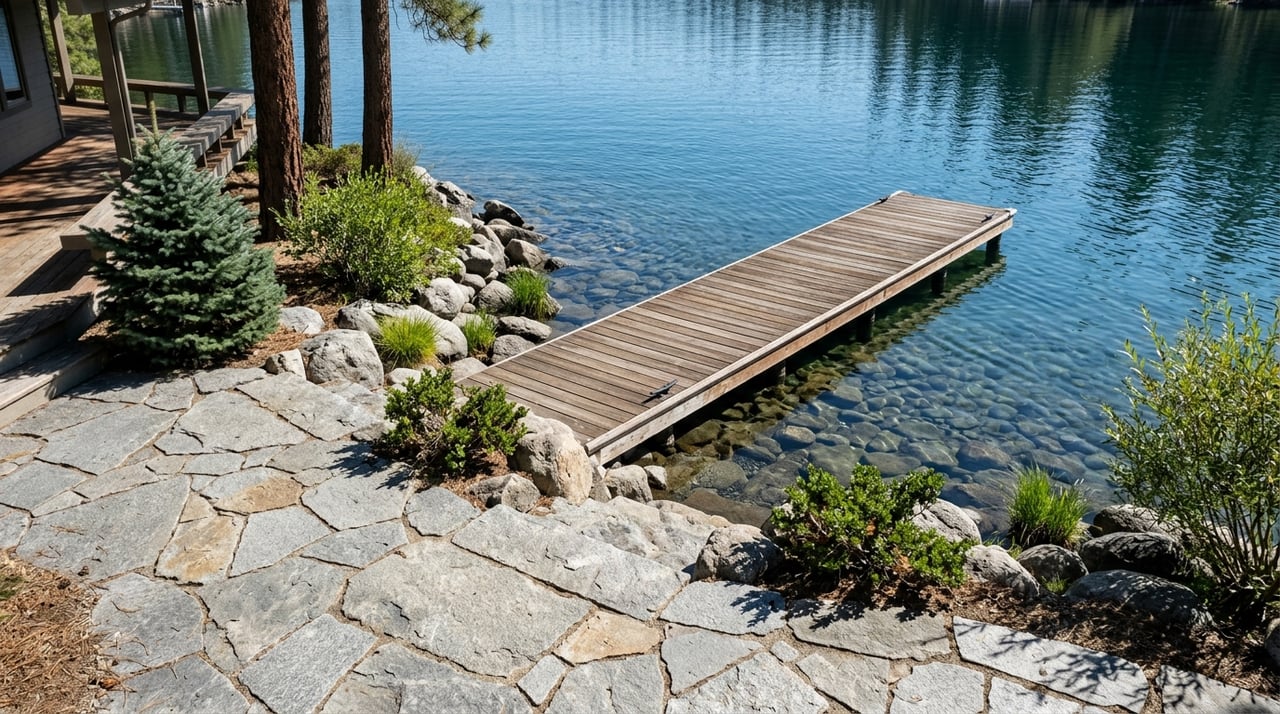
What draws many second-home buyers here is the water access. The community has 11 miles of inland waterways, and many homes sit on lagoons or canals with private docks and direct access to the lake. TKPOA also notes community amenities such as beaches, swimming pools, tennis courts, parks, and other recreation features.
For buyers who want a lake lifestyle without being directly on the open shoreline, Tahoe Keys offers a unique setup. You get a residential neighborhood feel with boating infrastructure built into daily life.
Buying a second home in Tahoe Keys is often as much an operational decision as a lifestyle one. You are not just choosing a floor plan or a view. You are also choosing a community with shared amenities, HOA oversight, and waterfront logistics that can affect how you use the property.
That matters even more if you live out of town. Remote owners often need a home that is easy to manage, clear in its rights and restrictions, and predictable in its seasonal demands.
One of the biggest misconceptions in Tahoe Keys is assuming every waterfront property comes with the same boating setup. It does not. Dock and slip rights can vary by property location and ownership structure.
The Tahoe Keys Beach and Harbor Association says eligibility for its dock association depends on where the property is located, and boat slip licenses are often sold or acquired privately. That means you should confirm whether a specific home includes private dock access, a slip license, or only broader community boating access.
Before you move forward on a property, make sure you ask:
This is the kind of due diligence that can make or break your experience as a second-home owner. A home that looks perfect on paper may not support the boating use you actually want.
If you already own a boat, size limits should be one of your first checkpoints. In Tahoe Keys, those limits are specific and enforced.
TKBHA says its 20-foot slips are generally limited to boats up to 25 feet overall, 28-foot slips to 30 feet overall, and 30-foot slips to 32 feet overall. Overall length includes extensions such as anchors, swim platforms, and rudders.
That means your listed boat length may not tell the whole story. You need the true overall measurement before assuming it will fit.
If your boat is central to how you plan to use the home, slip fit should be treated like a must-have, not a detail to sort out later. It may affect which homes make sense, whether a slip transfer is needed, or whether marina options need to be part of your plan.
Tahoe Keys supports a larger boating ecosystem than just private residential docks. The waterways are shared with the Tahoe Keys Marina, and nearby services can include launch services, fuel, repair, rentals, and other boating support.
Fueling is one area where rules are especially clear. TKBHA says fueling boats at its docks is prohibited, and the Tahoe Keys Marina and Yacht Club is the only marina in the East Cove waterways that provides fueling services.
This is a practical detail, but it matters. If you picture casual dockside prep and same-day lake access, your routine still needs to account for fueling rules and marina logistics.
If you bring a motorized watercraft to Lake Tahoe, inspection rules are part of ownership. TRPA says every motorized watercraft must be inspected before launching at Lake Tahoe.
The Tahoe Boat Inspections program also advises owners to keep watercraft and gear Clean, Drained, and Dry. Boats with intact seals may sometimes launch without a new inspection, while other motorized and trailered watercraft may be inspected and decontaminated as needed.
For second-home buyers, this means planning ahead. If you store a boat away from Tahoe or bring gear in from another water body, inspection timing can affect your first days at the property.
Tahoe Keys ownership comes with HOA structure that shapes both day-to-day use and long-term costs. TKPOA says it handles management, maintenance, and architectural control of individual units and common areas.
That includes beaches, pools, tennis courts, parks, water service, security patrols, and CC&R enforcement. TKPOA also manages annual budgets and capital reserves, and its site references quarterly assessment payments.
Before closing, it is smart to review:
These details can influence both your budget and your experience as an absentee owner.
Many buyers are drawn to Tahoe Keys for its community amenities, but access is not completely automatic in every case. TKPOA says amenities are for the exclusive use of homeowners and their guests.
It also notes that pools and tennis courts require a homeowner access card, and beach passes are issued separately. If beach time or shared recreation spaces are high on your wish list, confirm exactly what comes with ownership and what requires follow-up through the HOA.
Tahoe Keys may be waterfront, but it still operates as a high-elevation mountain community. NOAA normals for the South Lake Tahoe airport place the area at 6,314 feet, with an annual mean temperature of 44.2 degrees, a July average high of 80.4 degrees, and average highs of 42.8 degrees in both January and December.
Annual precipitation is 20.46 inches, with much of it falling in colder months. In practical terms, that means snow, freezing temperatures, and weather timing should be part of your ownership planning.
TKBHA says its docks are open, weather permitting, from April 1 through October 31. So even in a waterfront community, boating access follows a seasonal rhythm.
If you imagine winter lake use from your canal home, it is important to understand that dock operations and conditions do not support year-round boating in the same way they do during warmer months.
TKBHA boating safety guidance notes that owners should check weather before heading out. Gusty winds and choppy water can signal an approaching storm, and the water can remain winter-cold even on a warm spring day.
That kind of local reality matters when you are evaluating how often you will use the property, what gear you need, and how much flexibility your travel plans require.
A major issue in Tahoe Keys is aquatic invasive weeds. The Lahontan Water Board has worked with TKPOA, TRPA, and other stakeholders on the Tahoe Keys Lagoons Aquatic Weed Control Methods Test Project.
The Lake Tahoe Info project tracker reports that the Tahoe Keys Lagoons are directly connected to Lake Tahoe and are almost entirely infested with invasive aquatic weeds across more than 170 acres. Lahontan also notes that excessive aquatic plant growth can impair navigation and create health and safety risks.
For second-home buyers, this is not just environmental background. It can affect navigation, boating convenience, and how the waterways function over time.
If you are buying with plans to modify a dock, change water access, or make shoreline improvements, assume the process will be regulated. TRPA says it reviews applications for new structures in the shorezone, including piers, moorings, ramps, and marina-related activities, while coordinating with other agencies.
That does not mean improvements are impossible. It does mean you should verify what is allowed before you buy based on future plans.
If part of your second-home strategy includes short-term rental income, you need to understand South Lake Tahoe's current rules early in the process. The city requires a Vacation Home Rental permit for rentals of fewer than 30 consecutive calendar days.
The city says the current VHR ordinance became effective April 23, 2026. Permits must be renewed annually, properties outside the Tourist Core must pass an on-site inspection, only one VHR may operate on a parcel, and transient occupancy tax applies to VHRs.
The city's hosted-rental rules are based on owner occupancy. Hosted rentals are only for an owner or qualifying tenant who lives on-site, and the home must be the host's principal residence.
For many second-home buyers, that means hosted rental rules usually will not match the intended use of a part-time property. If rental income is part of your decision, confirm the parcel's eligibility and the city's current permit framework before you commit.
A smart Tahoe Keys purchase starts with focused questions. Here are some of the most important ones to ask during your search and due diligence:
When you get clear answers upfront, you can buy with a much better understanding of how the home will actually function for you.
Owning a second home in Tahoe Keys can be a fantastic fit if you love the mix of mountain setting, neighborhood amenities, and direct boating access. The key is making sure the property matches your goals in real life, not just in listing photos. If you want help sorting through dock rights, HOA details, seasonal use, or remote-buying logistics, Mackenzie Martin can help you evaluate Tahoe Keys properties with a practical local lens.
Stay up to date on the latest real estate trends.

Mackenzie Martin is dedicated to helping you find your dream home and assisting with any selling needs you may have. Contact her today for a free consultation for buying, selling, renting, or investing in California and Nevada.

MACKENZIE MARTIN | CA DRE# 01406664
ADDRESS 2845 LAKE TAHOE BLVD SOUTH LAKE TAHOE CA 96150