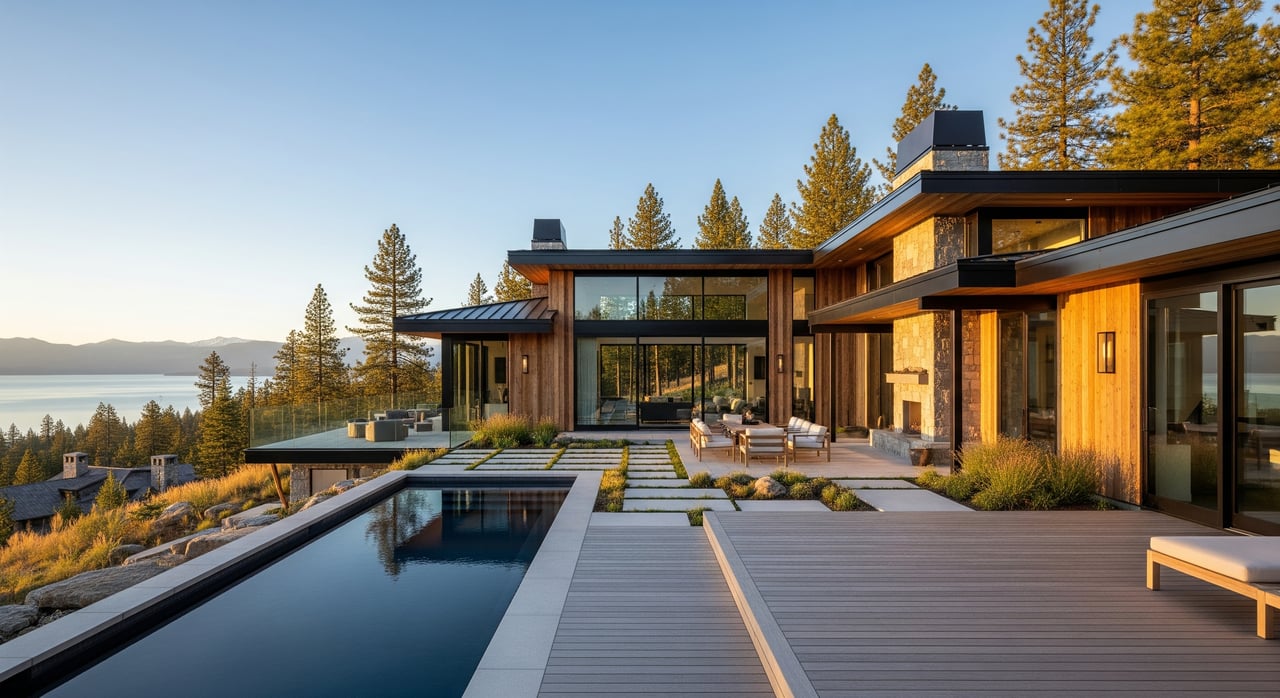
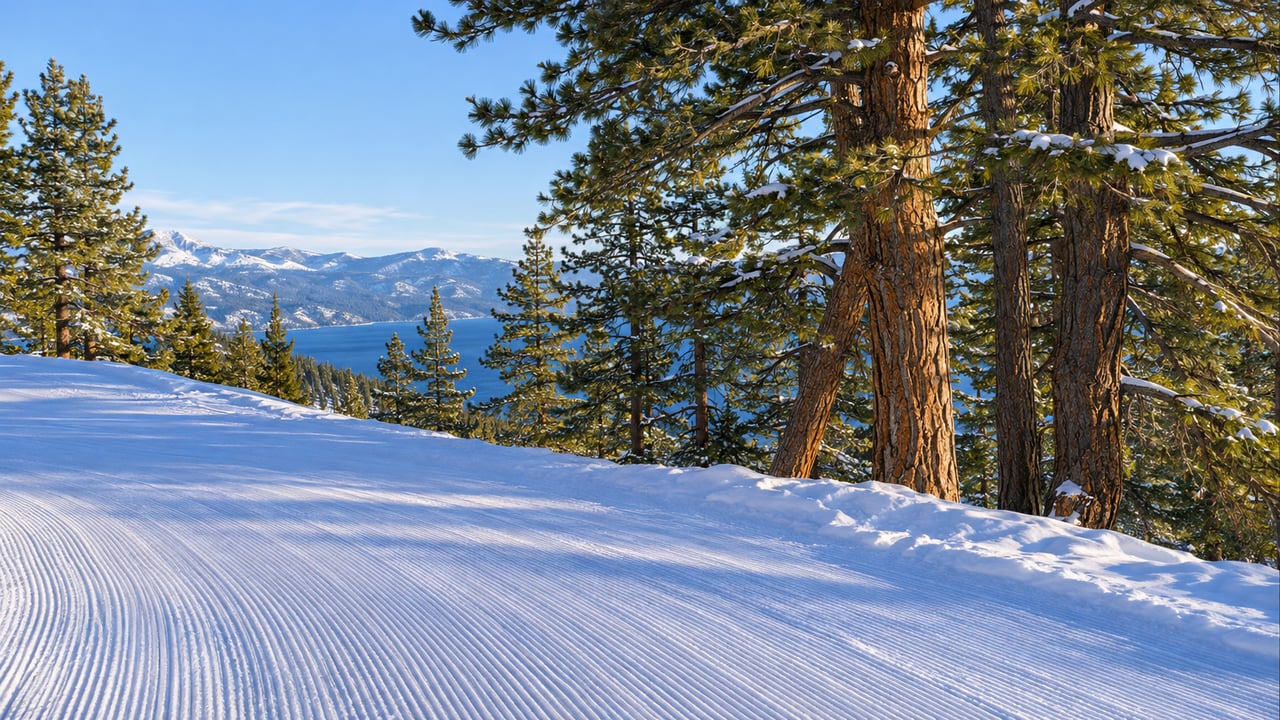
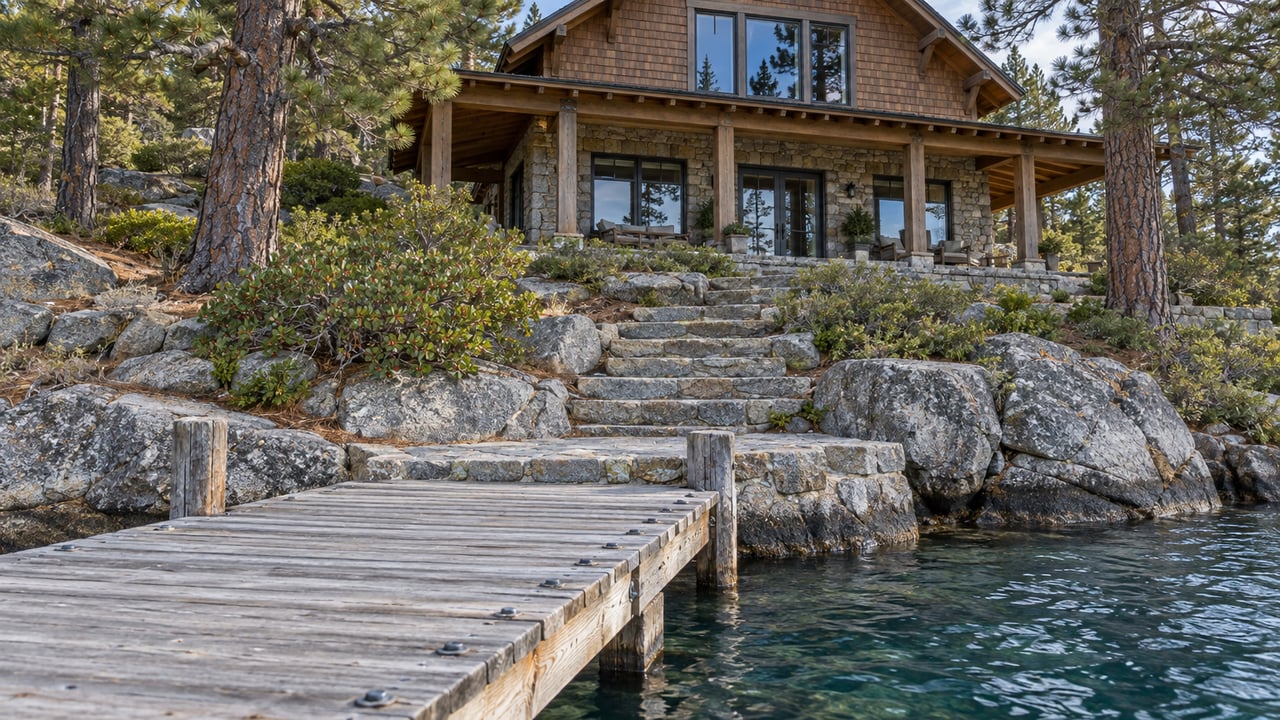
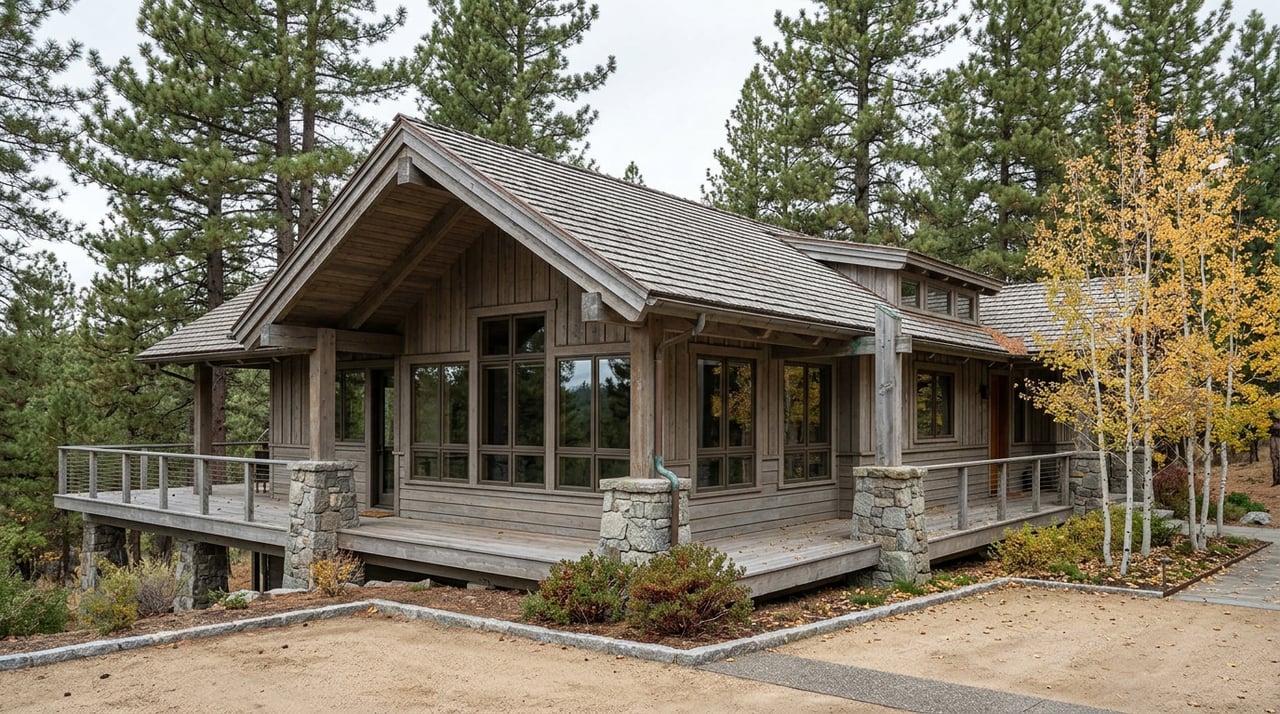
Torn between a quieter neighborhood feel and quick access to the lake and resorts? You are not alone. Choosing between Montgomery Estates and the Upper Truckee area in South Lake Tahoe takes more than a quick drive-through. In this guide, you will learn how each area lives day to day, what costs and regulations to expect, and a simple checklist to make a confident choice. Let’s dive in.
Quick take: lifestyle differences
- Montgomery Estates: quieter residential vibe, more privacy, mostly single-family homes on defined lots. Often a short drive to beaches and shops.
- Upper Truckee area: closer to lake access and amenities, pockets of walkability near commercial corridors, mixed housing that includes condos and near-lake homes.
- Your tradeoff: privacy and neighborhood feel vs convenience to beaches, restaurants, and resort areas.
Who each area fits
Montgomery Estates: residential and relaxed
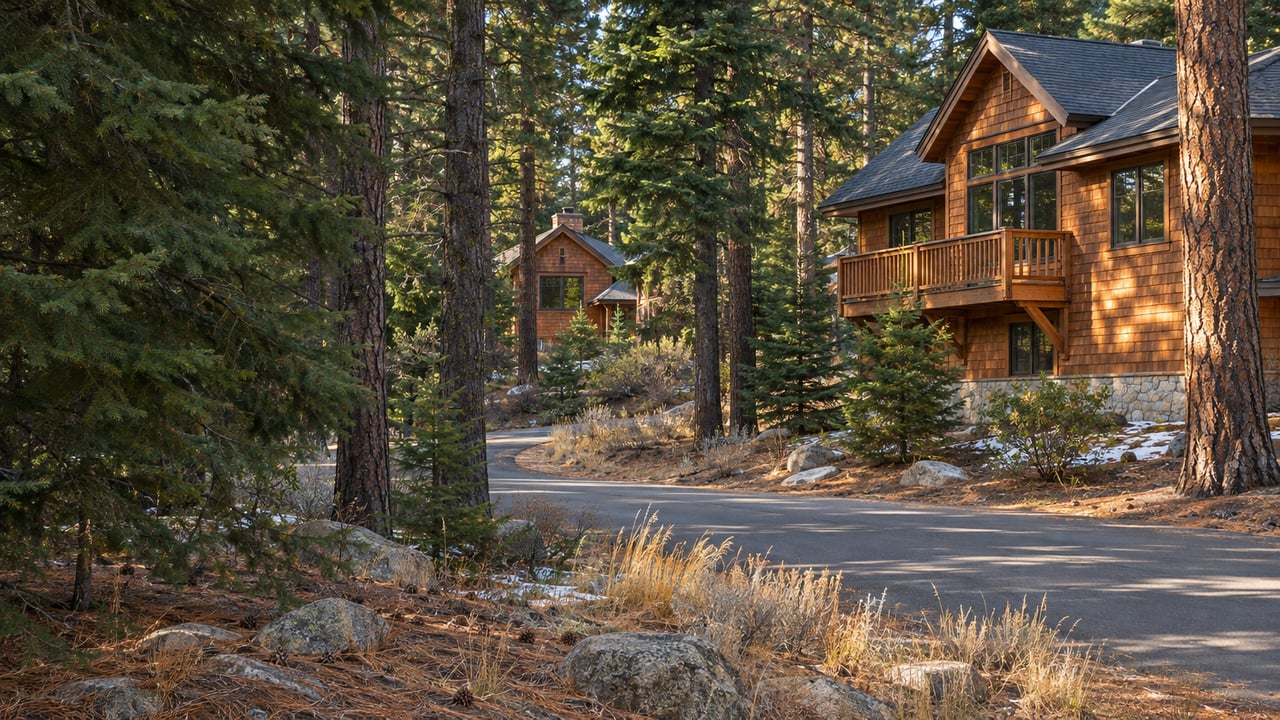
If you want a steady neighborhood rhythm, Montgomery Estates often fits. Streets feel residential, with a mix of older and newer single-family homes. You can expect a quieter setting and defined lots that support privacy. Daily errands usually require a short drive to town, beaches, and parks.
This area often attracts full-time residents and buyers who value a calmer street scene. Some homes may need energy upgrades or modernization, so plan for potential retrofits during inspections.
Upper Truckee: access and convenience
The Upper Truckee area runs along the river corridor and near Highway 50 and the lakeshore. You will find closer access to beaches, dining, and nightlife in some sections, plus seasonal transit options. Housing is mixed and can include lake-adjacent or near-lake homes, condos, older cottages, and newer infill.
Buyers who want quick access to Heavenly Mountain Resort and town-center amenities tend to favor this area. Some investors look here for short-term rental potential, subject to current city and county rules.
Market realities in South Lake Tahoe
Seasonality shapes demand. Spring and summer bring buyers focused on lake access, while fall and winter align with ski season. Inventory and showing activity shift as weather and tourism patterns change.
Pricing varies widely by proximity to the lake, views, elevation, winter access, and property condition. Near-lake and easy-to-resort locations often command premiums. Appraisals can be complex for unique parcels or locations with scarce recent comparable sales.
Ownership costs and financing
- Insurance: The Tahoe basin has wildfire risk, and premiums can be higher with limited carrier options. Properties near rivers or the lake may need flood insurance. Underwriters often require defensible space and ember-resistant upgrades.
- Lending and appraisal: Lenders look closely at winter road access, property condition, and insurability. Unique properties can challenge appraisal values.
- Ongoing costs: Expect higher winter utility use, snow removal, and roof and driveway maintenance. Second homes may add management fees or HOA costs if rented.
Short-term rentals and taxes
Short-term rental rules have tightened in the region. You should verify whether a specific property can be rented, what registration is required, occupancy limits, and how transient-occupancy tax is administered. Rules vary by jurisdiction within the South Lake Tahoe area, so confirm the City of South Lake Tahoe or El Dorado County standards as they apply to the parcel.
Environmental and regulatory checks that matter
Wildfire risk and defensible space
The entire basin faces wildfire risk. Review local fire district guidelines and Cal Fire resources for risk zones. Plan for ongoing vegetation management, fuel reduction, and ember-resistant upgrades like Class A roofs and screened vents.
Floodplain and river or lake adjacency
Parcels near the Upper Truckee River or the lakeshore can sit in FEMA flood zones. Check flood maps and elevation data, and review whether flood insurance is required. Restoration and floodplain projects along the river provide context for risk and mitigation in certain areas.
TRPA and multi-agency permitting
The Tahoe Regional Planning Agency regulates land coverage, tree removal, and shorezone improvements. Many projects require TRPA permits, which can affect cost and timing. The Lahontan Regional Water Quality Control Board and local planning departments may also be involved for grading, wetlands, or water-quality impacts.
Winter access and services
Snow load and access are real factors. Confirm who plows the road, whether there is a private road maintenance agreement, and how steep the driveway is. Assess garage and parking options for winter, plus storage for snow equipment.
Daily life factors to compare
- Lake and recreation: Upper Truckee often offers shorter trips to beaches and water activities. Montgomery Estates is usually a quick drive rather than a walk.
- Ski and trails: Proximity to Heavenly Mountain Resort and trailheads varies by street. Upper Truckee often trims drive times to resort amenities.
- Commute and transit: Both areas rely on Highway 50. Expect seasonal traffic. Seasonal transit and local shuttles may serve some Upper Truckee pockets more directly.
- Schools and healthcare: The Lake Tahoe Unified School District serves the area. Barton Health provides local hospital and urgent services in South Lake Tahoe.
- Utilities and internet: Confirm sewer vs septic, water source, and electric service. Internet and cell performance can vary, so verify providers and speeds if remote work matters.
How to decide: a simple buyer checklist
- Lifestyle fit: Do you prefer a quieter neighborhood setting or walkable access to shops and beaches?
- Lake, ski, and services: Note drive times to beaches, Heavenly, grocery, healthcare, and schools.
- Hazards: Check wildfire risk, floodplain status, and slope stability.
- Utilities: Confirm sewer or septic, water, electric, and the reliability of internet and cell service.
- Legal and regulatory: Review TRPA rules, local permits, tree removal policies, STR eligibility, and any TOT requirements.
- Insurance: Confirm homeowners and wildfire coverage availability and estimated premiums.
- Winter practicality: Evaluate driveway slope, parking, and snow removal responsibilities.
- Resale and rental: Lake proximity and views can boost value. STR potential depends on current rules and seasonality.
- Inspection priorities: Roof and snow-load capacity, heating and insulation, chimney and flues, septic status if applicable, foundation and moisture.
Selling in either area: prep that pays off
- Positioning: Decide whether your property appeals most to full-time residents, second-home buyers, or investors, and tailor pricing and marketing accordingly.
- Disclosures: Prepare wildfire and flood disclosures, structural information, septic records, and any HOA rental rules.
- Pre-sale work: Complete defensible space and ember-hardening tasks, service heating systems, and address permits or open items that could slow closing.
- STR compliance: If you market rental potential, confirm the property’s registration status and any TOT obligations.
- Timing: Spring and summer attract lake-focused buyers. Winter can work for ski-focused traffic but limits flexibility for showings.
Example scenarios
- You want quiet streets and a classic neighborhood setting: Montgomery Estates usually fits this best. Plan for short drives to the beach and shops and a residential feel day to day.
- You want quick access to beaches, dining, and Heavenly: The Upper Truckee area often shortens your drive times and can include walkable pockets near commercial corridors.
- You want to remodel or add outdoor features: Expect TRPA and local permit review to shape timelines and plans in both areas.
Next steps with a local advisor
Choosing between Montgomery Estates and the Upper Truckee area comes down to your lifestyle, risk tolerance, and ownership goals. A local plan that covers hazards, permits, insurance, winter access, and resale potential will keep surprises to a minimum.
If you want hands-on help comparing specific streets and parcels, coordinating inspections, or preparing a sale for maximum impact, connect with Mackenzie Martin. As a locally rooted, dual-licensed advisor, Mackenzie can align your goals with the realities of the Tahoe basin and manage details for both in-town and remote clients.
FAQs
Which area has higher home values in South Lake Tahoe?
- Values depend on lake proximity, views, parcel traits, and access to resort amenities; properties near the lake or with easier resort access often command higher prices.
Are short-term rentals allowed in Montgomery Estates or Upper Truckee?
- Rules vary by jurisdiction and can change; verify city or county ordinances, registration steps, occupancy limits, and any transient-occupancy tax requirements for the specific parcel.
How do I check wildfire and flood risk for a Tahoe address?
- Review Cal Fire risk maps and local fire district guidance, then check FEMA flood maps for floodplain status; engage inspectors and mitigation pros to assess defensible space.
What should I plan for winter maintenance and access?
- Budget for snow removal, higher heating costs, and roof-load management; confirm road plowing, driveway slope, and safe parking options for winter conditions.
What permits might I need to remodel in the Tahoe basin?
- Expect city or county building permits and, for land coverage, tree removal, or shorezone work, permits from the Tahoe Regional Planning Agency; water-quality impacts may involve regional boards.
How far is the nearest major airport?
- Reno-Tahoe International Airport is typically a 45 to 75 minute drive depending on weather, traffic, and your exact location in South Lake Tahoe.