
Lakefront Vs. Lake-Access: What’s The Difference?
December 11, 2025
December 11, 2025
Picture this: you wake up in Glenbrook, coffee in hand, and the lake is right there. But is the home you’re considering truly on the water or simply near it with access? In Lake Tahoe communities like Glenbrook, that distinction changes what you can do, what you’ll pay, and how you maintain your property.
In this guide, you’ll learn the difference between lakefront and lake-access homes, how shoreline rights work in the Tahoe Basin, and the due diligence steps that keep you from costly surprises. You’ll also see the tradeoffs so you can choose what best fits your lifestyle and budget. Let’s dive in.
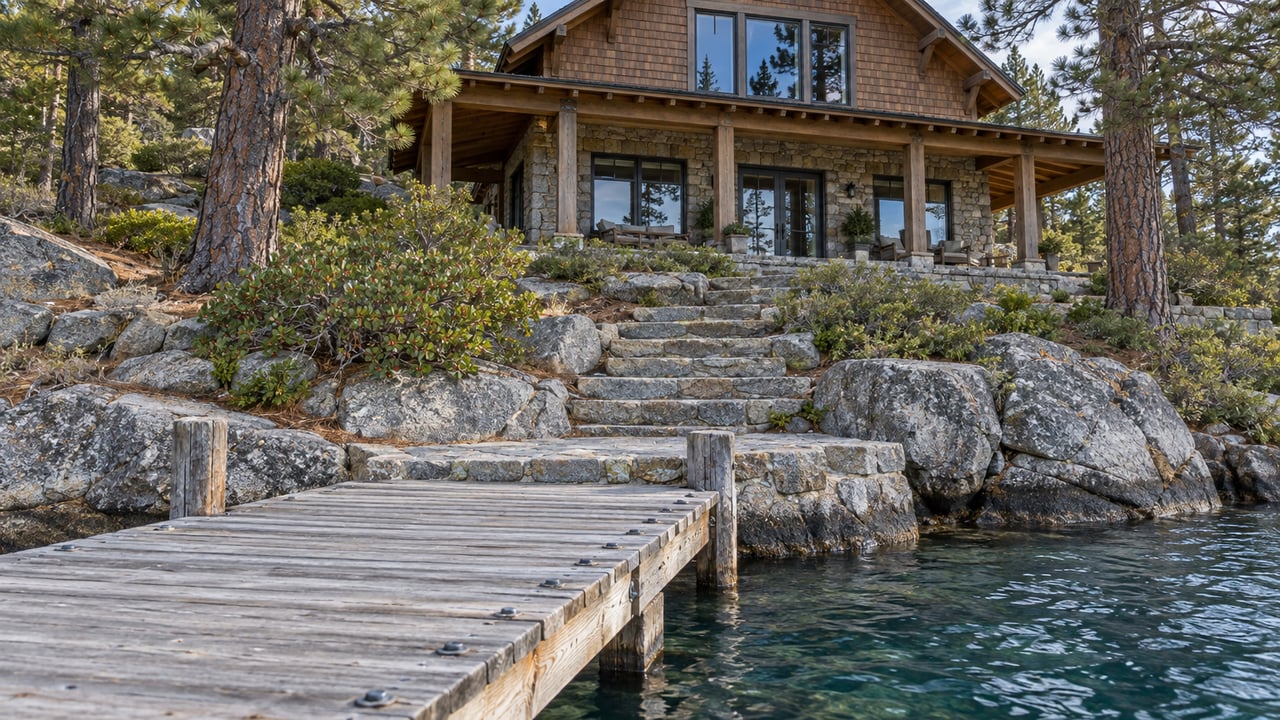
Lakefront: The property’s parcel boundary directly touches Lake Tahoe’s shoreline. Your lot abuts the water, which typically means immediate physical access, a direct view, and potential littoral rights under state and local rules.
Lake-access: The property does not touch the shoreline but includes a way to use the lake. This might be a recorded easement to a private beach, membership in an HOA that owns beach rights, or proximity to a community or public access point. Lake-access does not include exclusive shore ownership.
Real-world Glenbrook example: a home whose surveyed lot line reaches Lake Tahoe is lakefront. A home two streets back with a recorded, deeded path to a shared beach is lake-access.
Your deed and legal description confirm whether the lot touches the lake or relies on recorded access. Read the legal description, parcel map, and any reservations or restrictions. A recent title commitment can help you spot shoreline rights, easements, or conditions that affect use.
Lake-access often relies on recorded easements or HOA ownership of beach parcels. The document will define who can use the beach, what hours apply, whether guests are allowed, and who pays for maintenance. Terms can be exclusive or nonexclusive, and they can limit parking or boat storage.
Lakefront owners may have common-law littoral rights such as access to the water and use within regulatory limits. The scope varies under Nevada law and local regulations. Rights to build or expand docks or piers are not automatic and often require multiple permits.
Around Lake Tahoe, public land, private parcels, and recorded public access easements sit side by side. A property can be lakefront yet still see nearby public use along designated corridors. Understanding nearby public access helps you set realistic expectations about privacy and activity levels.
Shoreline projects in Glenbrook often involve the Tahoe Regional Planning Agency, Douglas County, and in some cases Nevada state agencies. Docks, piers, shore stabilization, grading, and certain vegetation removal typically require permits. Always verify rules before planning improvements or assuming future rights.
TRPA and other agencies set standards for size, number, and type of docks. Some shoreline segments are not eligible for new private docks. Even where a dock exists, modifications can require environmental mitigation.
Hard armoring such as seawalls is often restricted. Soft stabilization approaches and specialized permits are more common to protect water clarity and habitat.
Tree removal and shoreline vegetation work are closely regulated to prevent erosion. You may need permits or professional oversight for trimming, removal, or construction within sensitive areas.
HOA beaches or easements may limit parking, hours, and guest use. Snow, storms, and higher lake levels can change beach width and seasonal access. Expect maintenance and occasional closures during weather events.
Lake Tahoe communities require defensible space around structures. This affects landscaping choices, shoreline plantings, and ongoing maintenance planning for both lakefront and lake-access homes.
Lakefront properties command a market premium due to exclusivity, view corridors, and direct shoreline adjacency. Lake-access homes typically price below true lakefront but above similar inland homes without access. The exact premium depends on neighborhood, parcel size, view, and the quality of access or permitted improvements.
Appraisers will compare like with like. For lakefront, they weigh frontage, view quality, and permitted shoreline structures. For lake-access, they consider the type of access, exclusivity, distance to the shore, and the condition and rules of shared amenities.
Before you write an offer in Glenbrook, confirm these items:
Set up your listing for a smooth sale:
Start with your must-haves. If stepping straight to the water from your backyard defines your Tahoe lifestyle, focus on lakefront and plan for permitting and maintenance. If budget flexibility and community amenities matter more, a lake-access home with deeded rights can deliver the experience you want without lakefront pricing. In both cases, your best move is to verify the deed, review recorded documents, and speak with the local agencies that regulate the shoreline.
Ready to compare real options in Glenbrook and understand what each parcel truly allows? Connect with a local expert who knows the rules, reads the documents, and coordinates the details from offer to close. If you want hands-on help navigating Glenbrook’s shoreline nuances and HOA rules, reach out to Mackenzie Martin to get started.
Stay up to date on the latest real estate trends.

Mackenzie Martin is dedicated to helping you find your dream home and assisting with any selling needs you may have. Contact her today for a free consultation for buying, selling, renting, or investing in California and Nevada.

MACKENZIE MARTIN | CA DRE# 01406664
ADDRESS 2845 LAKE TAHOE BLVD SOUTH LAKE TAHOE CA 96150