Indoor Pools On Acreages: Resale Pros And Cons Here
October 9, 2025
October 9, 2025
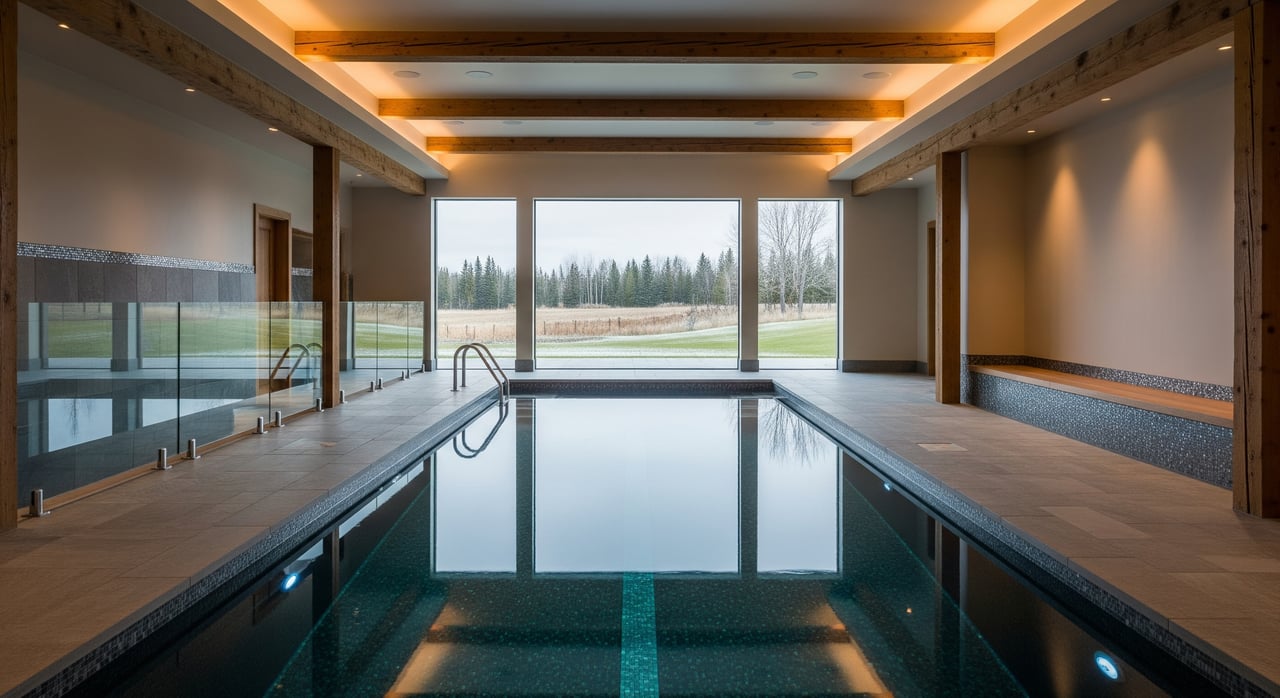
Indoor pools can be a showpiece on rural acreages. They can also be complex, expensive and polarizing with buyers. If you own or are eyeing a property in Country Club Estates or nearby Strathcona County, this guide gives you a clear look at resale upside, risks, true costs and smart prep so you can decide with confidence.
Before we dive in, remember that Strathcona County treats pools as permit projects. Buyers and sellers should verify that past work was permitted and inspected, including enclosures and mechanical systems per County guidance. Market-wise, estate areas near Sherwood Park feature large lots and higher price points with steady demand for well-prepared acreages, which can support specialty amenities like indoor pools when they are turnkey see local area context.
Indoor pools change the value story on a rural property. In cold climates, year-round usability is a big draw, but the buyer pool is smaller and inspections are more intense. Permits, humidity control and operating costs matter as much as curb appeal. Use this guide to weigh the trade-offs, understand the systems that drive buyer confidence, and map a plan for pricing and prep.
An indoor pool extends swim season to all twelve months. That is ideal for daily fitness, low-impact therapy, and family time even when it is freezing outside. In Alberta, where outdoor seasons are short, year-round use is a top reason buyers consider indoor pools general value context.
Estate neighborhoods have fewer direct comps. A well-designed indoor pool can set your listing apart and create a premium niche when few nearby properties offer similar amenities. Local acreage markets in recent years have supported higher-end features when the home is priced right and presented cleanly area overview.
Pools serve a wide range of needs. Kids and grandkids love them. Adults use them for cardio and recovery. Aging owners value warm-water exercise. Framing the pool as a wellness space broadens appeal beyond pure recreation.
The closer your pool is to turnkey, the stronger your pricing power. Buyers respond when they see documented permits, modern equipment, balanced air and water temperatures, good air quality, and clean finishes. These are natatorium best practices that keep humidity in check and protect the structure ASHRAE guidance.
Not everyone wants a pool. Some buyers are wary of upkeep or prefer workshops and storage. Expect fewer showings and potentially longer days on market if the home targets a niche audience.
Moisture is the critical risk indoors. If humidity is not controlled, you can see corrosion on metal, swollen trim, window seal failure, peeling paint, mould and even hidden structural damage. Inspectors will look hard at the dehumidification system, air flow, and finishes. Visible damage or dated equipment can lead to repair credits or price reductions humidity control risks and natatorium standards.
Indoor pools cost more to run than outdoor pools because you are heating water and air, dehumidifying, and powering pumps. Industry ranges often land in the thousands per year, and can reach five figures depending on size and efficiency operating cost context. Insurers often view pools as higher liability, which may increase premiums or require higher coverage limits. Discuss safety features and underwriting early so buyers know what to expect insurance considerations.
Limited comparables and condition concerns can make valuations tricky. Appraisers will bracket value using nearby sales and adjust for the pool’s quality and risk. Unpermitted work, visible damage, or failing systems can impact mortgageability. Confirm permits and provide documentation to reduce surprises permit requirements.
Indoor pools are costly compared to outdoor builds. Industry summaries frequently place indoor projects well into the six figures, because you are adding a building envelope, structure and specialized systems. Build quality and integration matter. Purpose-built pool rooms with proper foundations, insulation and vapor control hold value better than add-on enclosures that feel temporary installation cost ranges.
A well-designed natatorium targets balanced temperatures and relative humidity in roughly the 50 to 60 percent range. Look for heat-recovery dehumidifiers, supply air directed across glazed surfaces, corrosion resistant materials, and durable non-slip finishes. These details signal longevity and lower risk to buyers ASHRAE guidance.
Buyers, lenders and insurers want to see safe access and code compliance: lockable doors, GFCI-protected electrical, anti-slip decking, compliant barriers or lockable covers, and safe chemical storage. Strathcona County requires permits and safety details for pools, and will expect proper submissions for structural, electrical, plumbing and gas work County requirements. If the property uses a septic system, document how backwash and drain water are handled to protect onsite wastewater systems wastewater notes.
Efficiency sells. Buyers look for insulated enclosures, pool covers that limit evaporation, heat pumps or high-efficiency heaters, and modern filtration and dosing systems. Show maintenance logs and recent service to demonstrate care. Indoor pools that feel fresh, odor free and quiet during showings make a strong impression equipment and maintenance context.
On acreages, many buyers prize utility: heated shops, RV bays, storage, and hobby rooms. Some will trade a pool for these spaces. Clarify who your best buyer is. If the pool room is oversized, ideas like adding a gym, lounge, or retractable cover system can show dual-use potential during showings.
Price to the market you can actually capture. Use a bracket approach: compare recent local sales without pools, with outdoor pools, and with high-end bonus amenities. Then adjust for your pool’s condition, efficiency and risk profile. Share third-party service reports and operating cost summaries to justify your position. Keep an eye on broader market momentum in the Edmonton region to pace your strategy regional demand context and on national coverage that shows pool premiums shift with demand cycles big-picture perspective.
In some cases a dated, poorly ventilated pool room depresses value. If the equipment is at end of life, humidity damage is visible, or permits are missing, discuss alternatives. Options include decommissioning the pool, partial infill and conversion to living space or a shop, or preparing quotes for a full mechanical refresh. Bring a pool-mechanical or natatorium specialist to weigh cost-benefit before you decide specialist input.
Get ahead of questions. Gather all permits and final inspections, mechanical schematics, recent service logs, and any warranties. Consider a pre-list evaluation by a natatorium HVAC contractor to document humidity performance and expected service life of major components. This reduces uncertainty and keeps buyers focused on lifestyle instead of risk permit and documentation guidance and system records.
Aim for bright, clean and neutral. Run the dehumidifier to maintain crisp air quality. Eliminate chemical odors. Use fresh caulking and touch up paint where needed. Highlight multi-use zones with minimal furniture, soft towels and simple storage. During showings, demonstrate safety features and ventilation.
If you are purchasing, add specialist inspections to your timeline: structural review of the enclosure, pool mechanical evaluation, and natatorium HVAC assessment. Verify permits at the County and confirm how wastewater is managed. If needed, consult provincial regulations to understand distinctions between private and public pool rules, while focusing on building code compliance for a private residence provincial framework.
Keep deals moving with targeted solutions. Sellers can offer credits for equipment upgrades, a service contract for the first year, or pre-closing repairs to address flagged items. Buyers can request operating cost summaries and recent invoices. Both sides should agree on a clear scope and receipts for any work.
A skilled agent coordinates the prep plan, lines up vetted pool-mechanical and HVAC vendors, confirms permits with the County, and positions the amenity to the right audience. On the buy side, your agent builds a due diligence schedule that fits lender timelines and inspection access.
An indoor pool can help or hinder resale depending on condition, efficiency and documentation. In cold climates, the year-round lifestyle is compelling, but buyers expect proper humidity control, clean permits, and realistic operating costs. If your pool is turnkey and well documented, you can leverage it as a luxury differentiator. If it needs work, plan upgrades or consider repurposing to broaden appeal.
If you want tailored guidance for your property or shortlist, schedule a quick call. I will help you weigh costs, coordinate specialist reviews, and map a pricing or offer strategy that fits today’s market. Connect with Mackenzie Martin to get started.
Stay up to date on the latest real estate trends.

Mackenzie Martin is dedicated to helping you find your dream home and assisting with any selling needs you may have. Contact her today for a free consultation for buying, selling, renting, or investing in California and Nevada.

MACKENZIE MARTIN | CA DRE# 01406664
ADDRESS 2845 LAKE TAHOE BLVD SOUTH LAKE TAHOE CA 96150