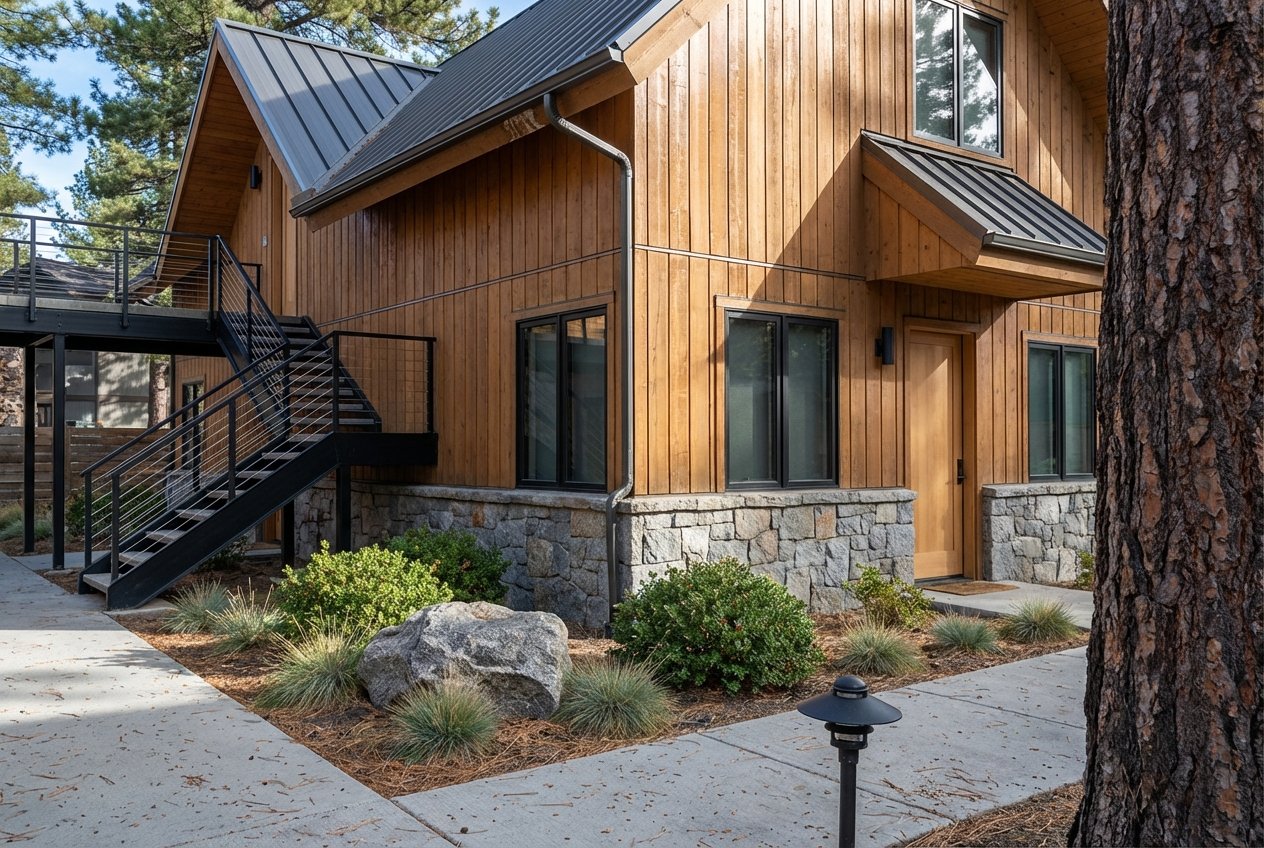
Incline Village Condo Living: Amenities, HOAs And Resale
February 26, 2026
February 26, 2026
Picture this: fresh snow falls overnight while you sip coffee, and someone else handles the shoveling. If you want the Tahoe lifestyle without full-time upkeep, an Incline Village condo can be a smart fit. You still need to weigh HOA costs, IVGID access, rental rules, and long-term resale value. This guide keeps it clear and local so you can buy with confidence. Let’s dive in.
You get lock-and-leave convenience, shared maintenance, and quick access to beaches, skiing, and trails. Many owners value resident pricing and access at IVGID-managed facilities like private district beaches, the rec center, two golf courses, and Diamond Peak. Nevada also has no personal state income tax, which some buyers consider when comparing sides of the lake; you can read the state’s overview of this policy on the Nevada Department of Taxation site.
On pricing, dated figures can help you frame expectations. As of January 2026, Redfin reported an overall Incline Village median sale price around $1,250,000, and Zillow’s home-value index was about $1.42M through January 31, 2026. Local December 2025 reporting showed a condo/townhome median near $1,000,000 while single-family homes were materially higher, with a median over $2M. Small markets shift fast, so always check fresh numbers before you move forward.
It helps to separate building-level HOA services from community-level IVGID benefits. HOA dues fund the condo property’s operations and reserves. IVGID benefits are tied to your parcel and appear on the Washoe County tax roll as Recreation and Beach Facility Fees.
IVGID provides access to district beaches, the recreation center, golf, and discounts at community-owned Diamond Peak. Eligibility, pass rules, and the number of passes per parcel are explained on IVGID’s Passes & Punch Cards page. Confirm whether a condo parcel is eligible for beach access, since some parcels are designated “no beach.”
In Incline Village, many condo communities advertise features like:
HOA dues commonly pay for building exterior maintenance and master insurance, landscaping and common-area utilities, snow removal, trash, elevator maintenance where applicable, reserve contributions, property management, and shared-amenity operations. Recent listing examples show a range of about $350 to $900+ per month depending on age, size, and amenities. Always verify your unit’s current dues and inclusions in the resale package.
Nevada’s condo law lives in NRS Chapter 116. It sets governance rules, required disclosures for resales, insurance standards, reserve-study timelines, and how associations levy assessments.
Before you close, you should receive a resale disclosure package that includes the CC&Rs, bylaws, current budget and financials, reserve summaries, the certificate of unpaid assessments, and proof of required insurance. Buyers have a statutory right to review and a limited window to cancel after receiving these documents. You can read the framework in NRS Chapter 116.
Associations must maintain master insurance on common elements along with liability and other coverage, as laid out in statute. The master policy often determines what you must insure inside your unit and how deductibles are allocated. Review coverage limits and deductibles in your resale materials and in NRS 116.31133.
Nevada requires a reserve study at least every five years, with annual reviews, to plan for major repairs and replacements. If reserves fall short, boards may adopt funding plans or levy special assessments. You can find the reserve framework discussed in NRS Chapter 116. Ask for the latest reserve study and any adopted funding plans.
Short-term rentals are regulated at the county level and by your HOA. Washoe County requires permits for STRs in unincorporated areas that include Incline Village and Crystal Bay. The county updated STR fees and processes effective December 1, 2024. Start with the county’s Short-Term Rental program page for permit tiers, fees, and application steps.
Units used as STRs must pass periodic fire-safety inspections. The North Lake Tahoe Fire Protection District posts the local checklist and requirements for Incline Village and Crystal Bay; review them here: NLTFPD STR requirements. Your HOA may also limit or register rentals. Leasing and transient-use rules appear in the project’s CC&Rs and are governed by NRS Chapter 116. Always confirm both county permit status and HOA permission before you count on rental income.
Not every condo project qualifies for FHA or VA loans. If you plan to use one of these programs, have your lender check whether the project is approved. HUD maintains a public lookup for FHA project eligibility: HUD Condominium Lookup. If a project lacks approval, it can reduce the buyer pool for future resale.
Incline Village condos often attract second-home, lifestyle, and investor buyers, which can make demand seasonal. Single-family homes tend to draw privacy-focused and long-term-resident buyers, and that segment’s median price typically sits higher than condos. The December 2025 condo median hovered near $1,000,000 while single-family medians were over $2M, and January 2026 data placed the overall median around $1,250,000. Because the market is small, a few high-end sales can swing monthly medians and days on market. Focus on recent comps in your micro-location and building.
Costs over time matter for resale. Dues and IVGID facility fees are ongoing, and special assessments or large deductibles can affect holding costs. Strong reserves and clear maintenance plans help support value and buyer confidence.
Use this short list to stay organized during your review period:
Thinking about your next step or comparing buildings? You do not have to sort this alone. If you want a clear read on dues, reserves, IVGID access, and resale potential in your price range, reach out to Mackenzie Martin for local, practical guidance.
Stay up to date on the latest real estate trends.

Mackenzie Martin is dedicated to helping you find your dream home and assisting with any selling needs you may have. Contact her today for a free consultation for buying, selling, renting, or investing in California and Nevada.

MACKENZIE MARTIN | CA DRE# 01406664
ADDRESS 2845 LAKE TAHOE BLVD SOUTH LAKE TAHOE CA 96150