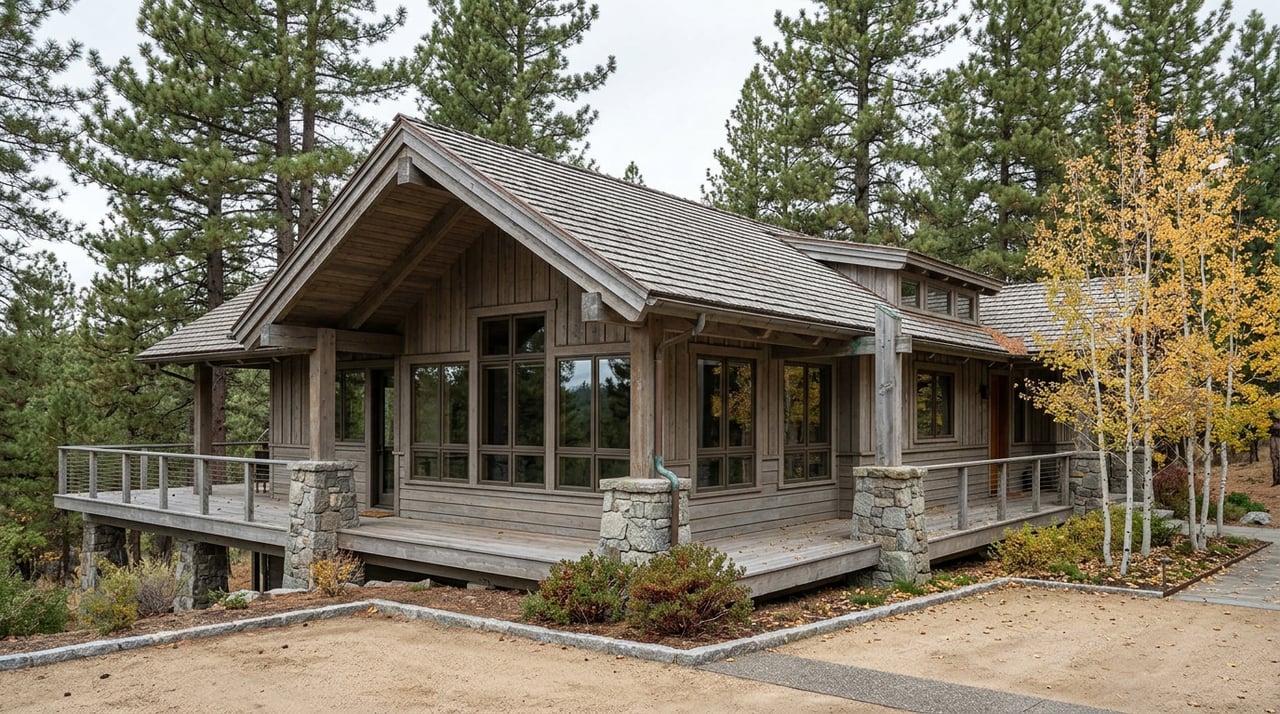
Buying a home in Al Tahoe or anywhere in South Lake Tahoe comes with a term you hear right away: escrow. If you have ever wondered who holds your funds, why there are so many documents, or how long everything takes, you are not alone. Escrow brings together your contract, money, inspections, loan, and title work so you can close safely and on time. In this guide, you will learn what escrow is in California, how the timeline works, what it costs in El Dorado County, and Tahoe-specific items to watch closely. Let’s dive in.
What escrow is in California
Escrow is a neutral process run by a state-licensed escrow holder that follows written instructions from you, the seller, and your lender. The escrow holder collects funds and documents, coordinates payoffs, orders title work, and manages recording. It does not make decisions for you. It follows the contract and your signed instructions. You can learn more about licensing and consumer protections from the California Department of Financial Protection and Innovation.
Escrow works alongside title insurance. A title company checks the public record, reports exceptions and easements, and issues title insurance policies at closing. Title insurance premiums are regulated statewide, and your lender will require a lender’s policy if you finance the purchase. For background on how title insurance is regulated in California, see the California Department of Insurance.
Tahoe escrow timeline at a glance
Most financed purchases close in about 30–45 days, while cash deals can be shorter. In Tahoe, timing can stretch a bit during peak seasons or winter storms when access and scheduling are harder. National guidance puts many closings near the 30–45 day mark, which aligns with local experience in South Lake Tahoe. For a broad view of typical closing timelines, see the National Association of Realtors.
The major steps you will see
- Open escrow: Your signed contract goes to escrow and you send your earnest money deposit. Escrow opens the file and issues an escrow number and receipt.
- Contingencies: You complete inspections, loan approval, appraisal, title review, and any HOA or document reviews within contract deadlines.
- Title and HOA: Escrow orders a preliminary title report so you and your lender can review exceptions, easements, and liens. If there is an HOA, escrow requests governing documents and resale disclosures.
- Loan and appraisal: You finalize your loan application, your lender orders the appraisal, and underwriting reviews your file.
- Closing: When all conditions are met, your lender wires funds, you wire your closing balance, escrow records the deed, title insurance is issued, and keys are released.
- After closing: You receive final settlement statements and recorded documents, and you may see supplemental property tax bills from the county in the months after.
Your action list during contingencies
- Schedule a general home inspection and any needed specialty inspections, such as pest, roof, chimney, septic, or well.
- Review seller disclosures and the preliminary title report as soon as they arrive. Ask questions early so issues can be resolved within deadlines.
- Work with your lender on any document requests, and track your loan and appraisal timelines closely.
- If the property is in an HOA, review the CC&Rs, budget, rules, and any rental or usage restrictions.
- Decide on repair requests or credits before you remove contingencies.
Key contingencies and documents in Tahoe
In most South Lake Tahoe contracts, you will see the following contingencies:
- Loan contingency for financing approval.
- Appraisal contingency if you use a loan.
- Inspection contingency, including the option to order pest or wood-destroying organism inspections.
- Septic and well inspections if applicable.
- Title review, including exceptions and easements in the preliminary title report.
- HOA document review and estoppel if the property is in an association.
- Natural Hazard Disclosure review and seller disclosure packets.
California requires several seller disclosures, including a Real Estate Transfer Disclosure Statement and a Natural Hazard Disclosure, along with other mandated items that can apply by age or location of the property. You can review the statutory framework through California’s disclosure laws and consumer guidance from the California Association of Realtors.
What it costs to close in El Dorado County
Your exact closing costs depend on your loan, property type, and the contract. The most common buyer costs include:
- Escrow fees and administrative charges. These are the fees for handling the escrow itself. How they are split with the seller is based on local custom and the contract.
- Title insurance. A lender’s policy is required if you finance the purchase. An owner’s policy is optional but common for buyers.
- Loan-related costs. These may include origination fees, points, appraisal, credit report, and underwriting. Your lender provides a Loan Estimate and, later, a Closing Disclosure with exact numbers.
- Prorations and prepaid items. Expect prepaid property taxes, homeowner’s insurance, per-diem interest, and prorated HOA dues or utilities.
- Recording fees and transfer taxes. El Dorado County charges recording fees, and city transfer taxes can apply inside city limits. For current county recording and tax resources, start with the El Dorado County Recorder and Assessor.
- HOA document and transfer fees. Associations may charge for resale packets, estoppels, and transfer fees.
- Inspections. Budget for a general home inspection and any needed septic, well, chimney, or roof evaluations.
A national rule of thumb for buyer closing costs, excluding the down payment, is often 2–5 percent of the purchase price once you include loan fees and prepaid items. Tahoe properties can push this range up or down based on HOA costs, septic or well work, and seasonal factors. The best way to get clarity is to request itemized estimates from escrow and your lender at the start of the transaction.
Tahoe-specific factors that can affect escrow
Buying in Al Tahoe and the surrounding South Lake Tahoe neighborhoods means considering a few regional items early so you avoid surprises.
- TRPA rules. Properties in the Tahoe Basin may fall under Tahoe Regional Planning Agency standards for coverage, redevelopment, or permitting. If you plan to remodel or rebuild, confirm your assumptions with the Tahoe Regional Planning Agency or the local planning department.
- Wildfire insurance. The basin is a high wildfire-risk area. Insurability, defensible space, and fire-hardening features can affect premiums and underwriting. Get quotes early and confirm coverage meets your lender’s requirements.
- Snow and access. Driveway grading, winter access, and snow removal responsibilities matter, especially if you will be here part-time. Recorded easements for shared driveways or plowing are common and should be reviewed in your title report.
- Septic and well systems. Many properties use septic and private wells. Confirm permits, order inspections early, and review El Dorado County Environmental Health records. Repairs or upgrades can influence both timing and cost.
- HOA and rental rules. If you are eyeing a condo or cabin in an HOA, look closely at budgets, special assessments, and rental restrictions. Local short-term rental rules can be strict, so always verify current requirements through the City of South Lake Tahoe if the property is inside city limits.
How to avoid common escrow delays
A few issues account for most hiccups. You can prevent many of them with early action.
- Title exceptions or liens. Review the preliminary title report as soon as it arrives. Ask for clarification on easements, and confirm the seller can clear any liens before closing.
- Low appraisal. If the appraisal comes in below contract price, you may need to renegotiate, increase your down payment, or pursue a second appraisal if your lender allows it. Keep your appraisal timeline front and center.
- HOA problems. Late dues, disputes, or pending special assessments can surface during HOA review. Read the estoppel letter and meeting minutes quickly so you can respond inside contingency deadlines.
- Septic or permit issues. Unpermitted improvements, failed septic, or incomplete permits can delay closing. Inspections and permit checks early in escrow give you the most options.
- Insurance hurdles. In higher wildfire zones, some carriers do not write new policies, or premiums may be higher than expected. Begin quotes right after opening escrow and keep your lender in the loop.
- Wire fraud. Criminals target closing funds with fake wiring instructions. Always verify wiring instructions directly with your escrow officer using a known phone number. The FBI’s IC3 shares guidance on safe transfers at the Internet Crime Complaint Center.
A practical escrow checklist for South Lake Tahoe
Use this quick checklist to stay on track.
Right after opening escrow
- Confirm the escrow company name and that it holds a state license with the DFPI.
- Send your earnest money deposit on time and keep your receipt.
- Schedule a general home inspection plus pest, chimney, roof, septic, or well as needed.
- Request and review seller disclosures, the Natural Hazard Disclosure, and HOA documents if applicable.
- Ask escrow for an itemized fee estimate, and ask your lender for a Loan Estimate.
- Start homeowner’s insurance and wildfire coverage quotes, and share the policy details with your lender.
- Read the preliminary title report and note any easements or exceptions that affect access, snow removal, or utilities.
- If you plan changes, check TRPA coverage or permitting needs with the Tahoe Regional Planning Agency.
- For taxes and recording specifics, consult the El Dorado County Recorder and Assessor.
Two weeks before closing
- Review your lender’s appraisal status and underwriting conditions.
- Confirm repairs or credits and remove contingencies that you are comfortable with.
- Verify wiring instructions by phone using a known number. Do not rely only on email.
- Schedule your final walk-through and arrange utilities for the day you get the keys.
Closing week
- Review your Closing Disclosure and the final settlement statement for accuracy.
- Wire closing funds early in the day and confirm receipt with escrow.
- After recordation, save your recorded deed and title policy. Watch for supplemental tax notices from the county in the months after closing.
Why local guidance matters in Al Tahoe
Tahoe transactions have moving parts that are unique to the basin. Snow access, wildfire insurance, septic and well systems, and TRPA rules can all change your budget and your timeline. A local, hands-on approach makes a difference, especially if you are buying a second home or managing the process from a distance. If you want an experienced guide who coordinates vendors, keeps the timeline tight, and helps you make informed choices on both sides of the lake, reach out to Mackenzie Martin. Schedule a free Tahoe market consult and close with confidence.
FAQs
How long does escrow take for a financed Tahoe purchase?
- Many financed deals close in about 30–45 days, but winter weather or peak seasons can add time. National benchmarks are similar, as noted by the National Association of Realtors.
What does an escrow company do in California?
- A licensed, neutral escrow holder collects funds and documents, follows your written instructions, coordinates with title and lenders, and records the deed at closing. Learn more from the DFPI.
Which closing costs should I expect as a buyer?
- Common items include escrow fees, title insurance, lender charges, inspections, prepaid taxes and insurance, prorations, and county recording fees or city transfer taxes. For county resources, see the El Dorado County Recorder and Assessor.
What disclosures will I review during escrow in California?
Are there Tahoe-specific rules that could affect my plans?
- Yes. TRPA environmental standards, local short-term rental rules, wildfire insurance availability, septic or well requirements, and snow access are common factors. Check basin rules with the Tahoe Regional Planning Agency and city-level items with the City of South Lake Tahoe.
How do I protect my funds when wiring to escrow?
- Call your escrow officer using a verified phone number to confirm wiring instructions before sending funds. The FBI’s IC3 provides safety tips at the Internet Crime Complaint Center.